BackAGRIOSX

Crop Field Guide

Explore 24 crops through field photographs and 72 practical questions. Open a photograph for a closer look, then choose the question that matches your visit.

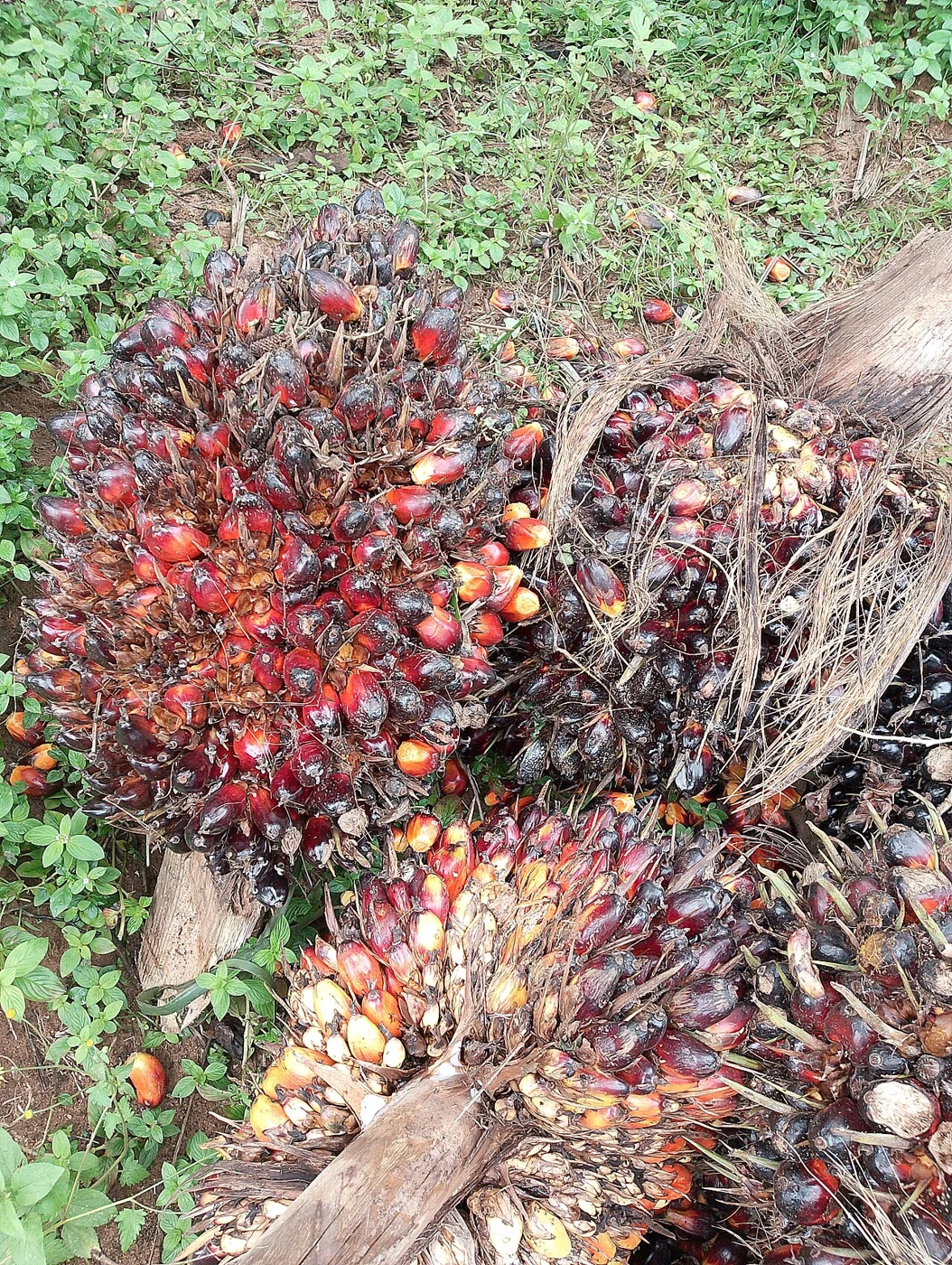
Harvested oil palm fruit bunchesOil palm · photograph and credit

24 crop guides

Harvested fresh fruit bunches at collection
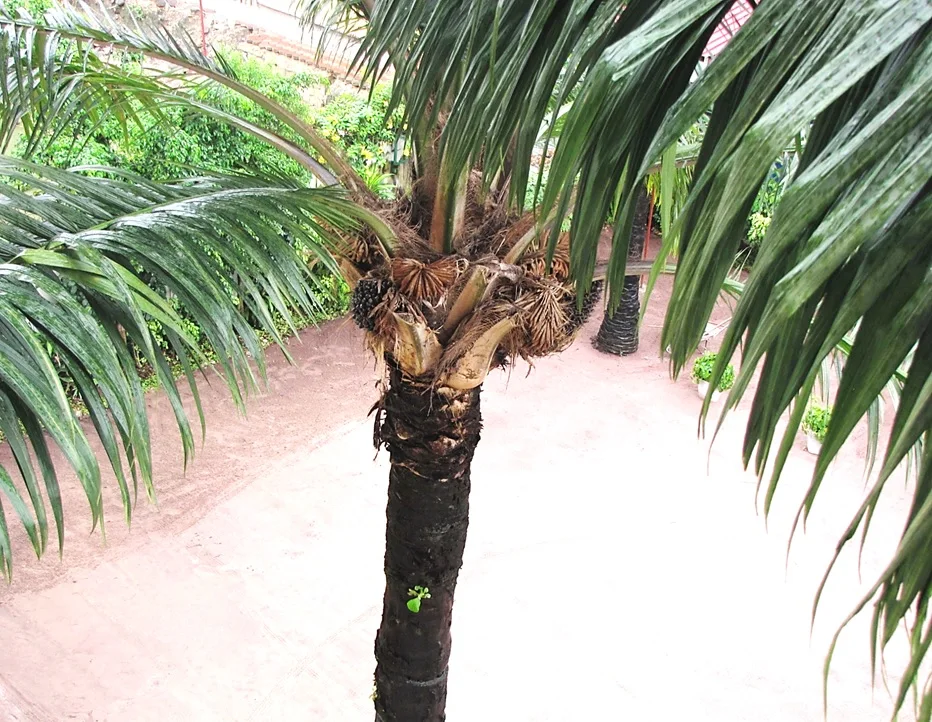
Palm crown and bunch position
Plantation

Oil palm

Why did bunch weights fall in one block?

Check in the field

Compare the last two harvest rounds for that block. Check that each collection has a weighbridge ticket.

Example field note

Block A, 8 ha, 240 bunches, 4,320 kg of bunches on one ticket. Average bunch weight is 18 kg. Compare with the same block and harvest interval.

On your next visit

Record tonnes collected and the harvested area for each round.

When to involve the centre

If field counts and collection tickets disagree, ask the centre to reconcile the block, date, area and load before planning the next collection.

Related service · Harvesting

Link to this crop
Are lighter loads due to smaller bunches or fewer harvested palms?

What to measure

Use one block and a comparable harvest interval. Write down harvested area, bunch count, bunch-only weight and any loose fruit weighed separately. Flag tickets that combine blocks.

How to interpret the pattern

If average bunch weight holds steady while tonnes per hectare fall, check how much of the block was actually cut and collected. If both fall, give the agronomist the interval, palm age and observations from the low-yield rows.

Where is loose fruit being left behind?

Field check

Walk comparable stretches of palm circles, paths and loading points after collection. Record loose fruit at each location separately so the supervisor can trace the loss to cutting, pickup or loading.

MPOB · Loose fruit collection

Photographs and licences

Harvested fresh fruit bunches at collection · Geossegawa · CC BY 4.0 · resized photograph

Palm crown and bunch position · T.K. Naliaka · by-sa/4.0 · resized photograph
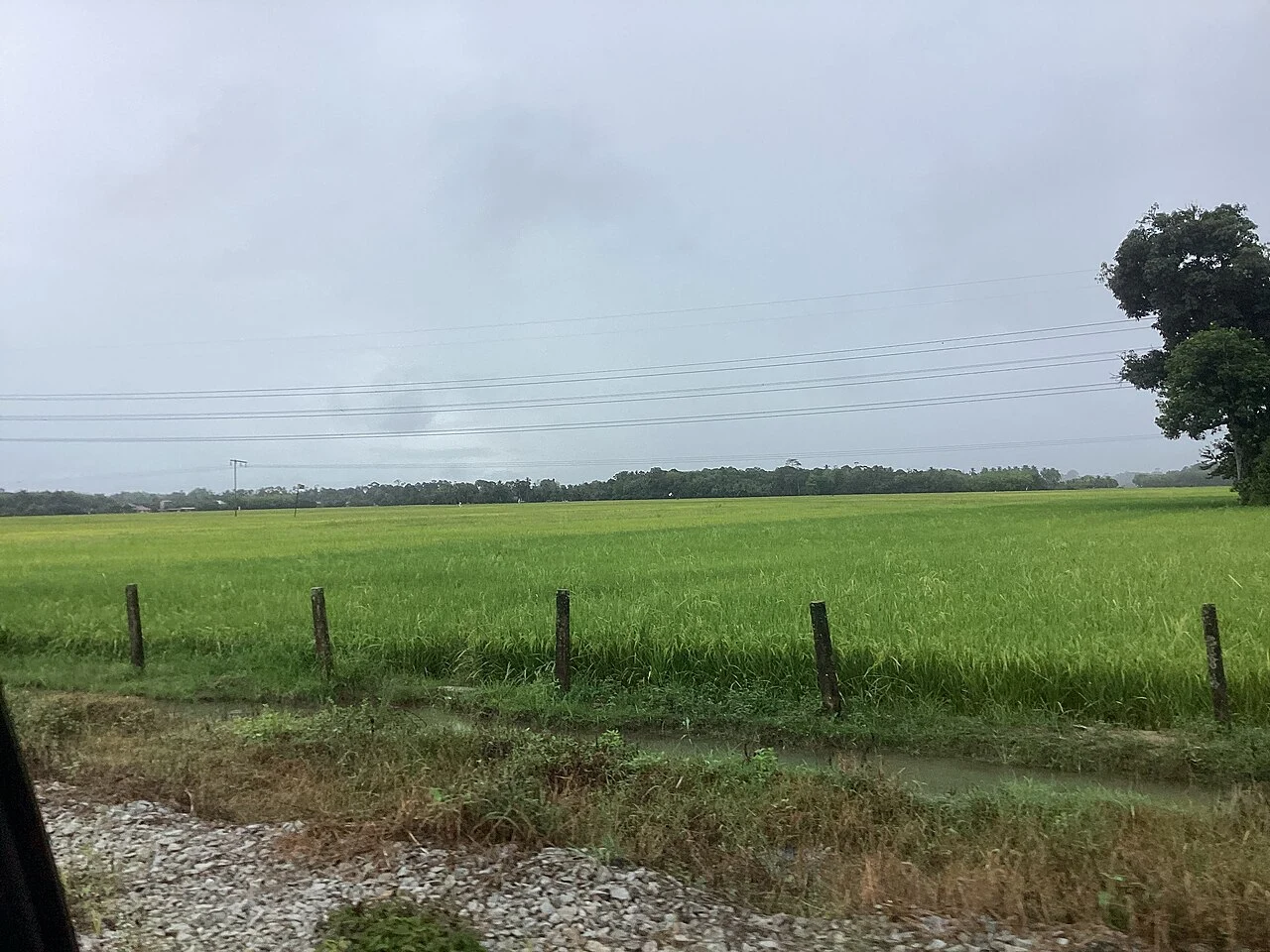
Paddy field in Malaysia
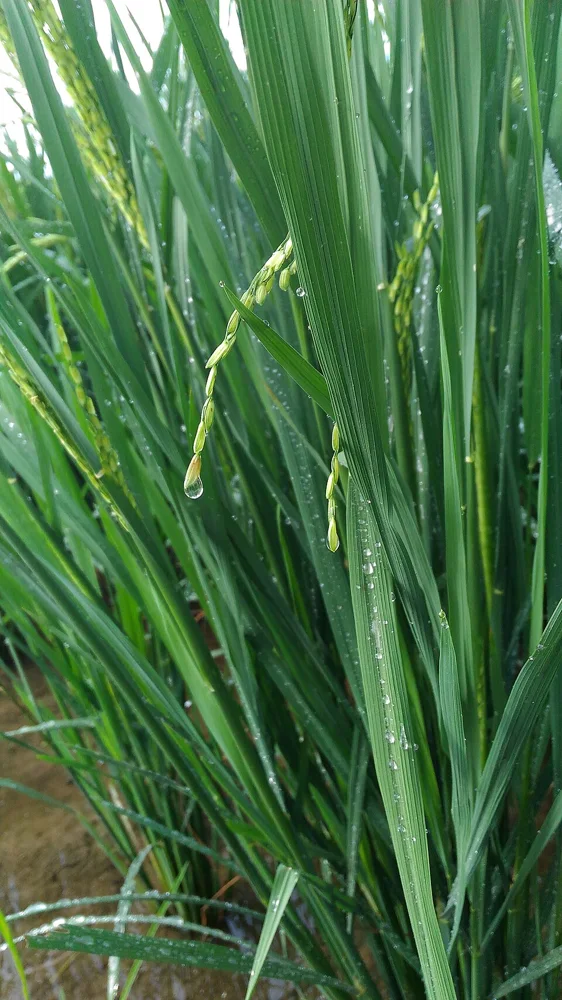
Panicle among rice leaves
Field crops

Paddy

Which paddy plot needs a water check first?

Check in the field

Record standing water at the same marked points in two plots and note the crop stage.

Example field note

Plot P2, tillering. Water depth at the inlet, middle and outlet was 6, 4 and 1 cm. Record when the gate was last opened.

On your next visit

Compare readings at the same points after the next scheduled check.

When to involve the centre

If the difference persists across repeat measurements, send the marked locations, irrigation times and readings to the centre for an irrigation inspection.

Related service · Irrigation inspection

IRRI · Water management in irrigated rice

Link to this crop
Are bare patches missing plants or simply at a different growth stage?

What to measure

At the inlet, centre and outlet, count established hills in the same measured area. Record planting method, sowing or transplanting date, and whether plants are tillering or forming panicles.

How to interpret the pattern

If the weakest stand follows a water boundary, check inlet and outlet operation before arranging a nutrition visit. If the pattern crosses that boundary, bring the stand counts and field history to the agronomist.

How should I compare panicle filling?

Field check

At the same flowering stage, mark a short transect in each area. At maturity count filled and unfilled grains on comparable panicles. Keep lodging and bird damage as separate observations.

IRRI · Rice production stages

Photographs and licences

Paddy field in Malaysia · Pulchritudeaisy · CC BY-SA 4.0 · resized photograph

Panicle among rice leaves · Indrakriya · by-sa/4.0 · resized photograph
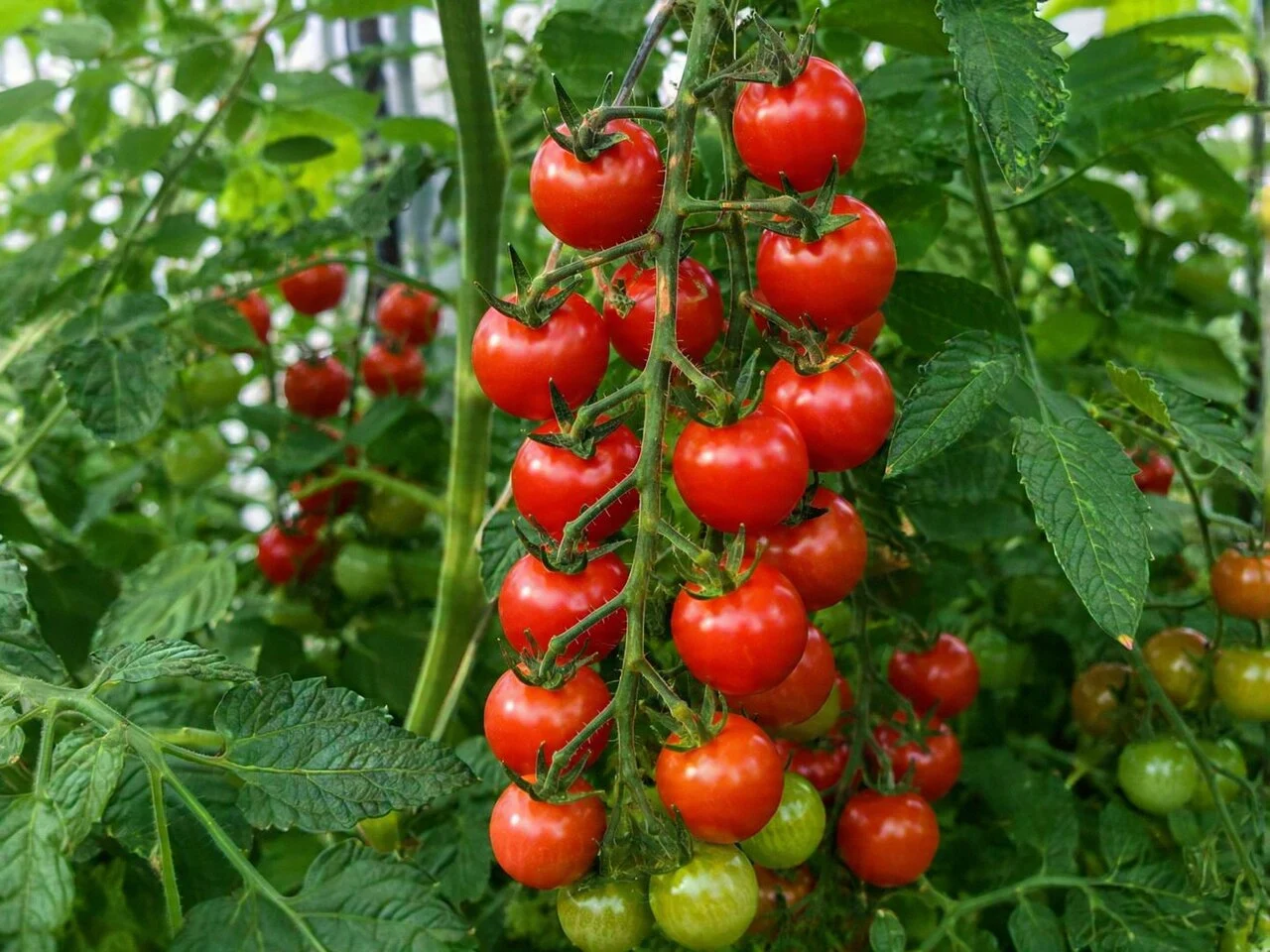
Clusters of developing and coloured tomatoes
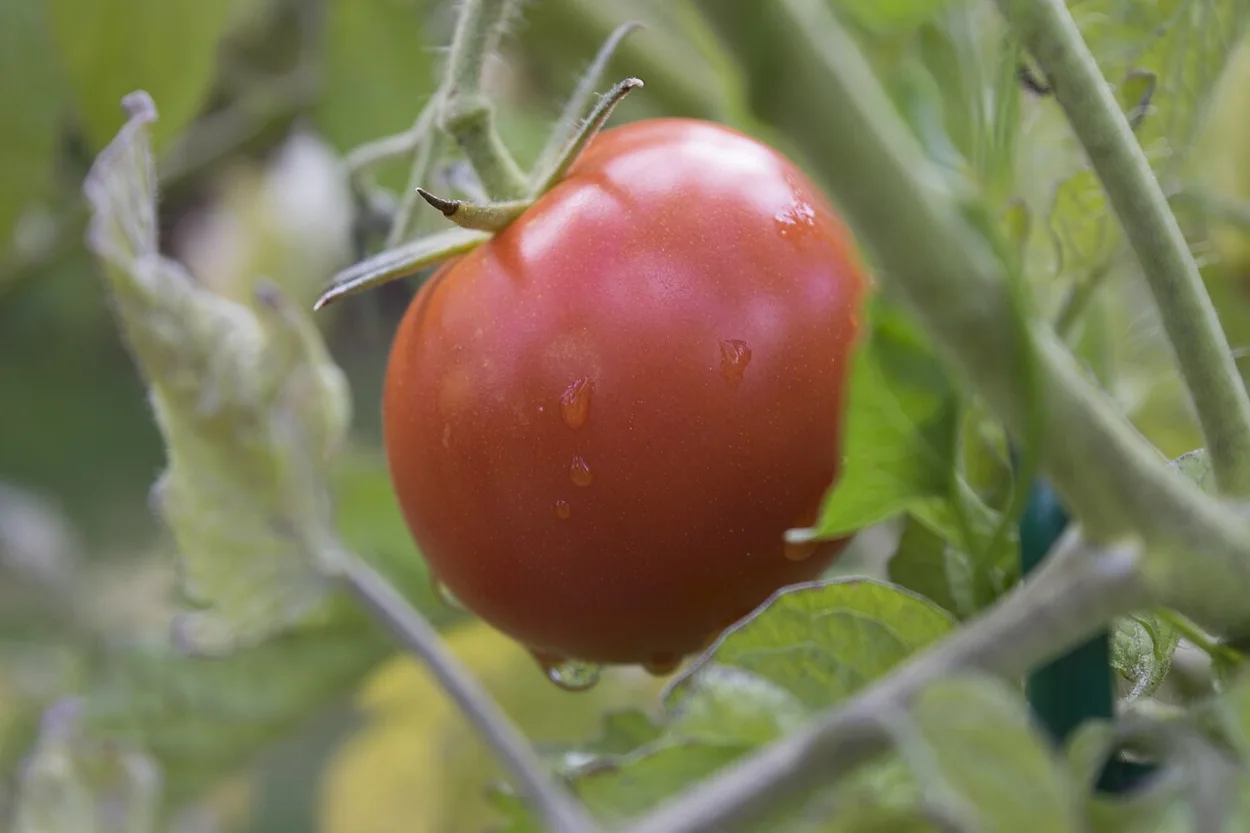
Single fruit attached to its truss
Vegetables

Tomato

Why are the tomatoes smaller at one end of this row?

Check in the field

Compare plants of the same variety and age at both ends. Record fruit size and whether irrigation reached both points.

Example field note

Row T4, same variety and truss. At the inlet the three fruit diameters were 54, 57 and 55 mm. At the far end they were 43, 45 and 44 mm.

On your next visit

On your next visit, measure fruit on the next truss at both ends of the same row.

When to involve the centre

If the difference persists across repeat measurements, send the marked locations, irrigation times and readings to the centre for an irrigation inspection.

Related service · Irrigation inspection

University of Minnesota Extension · Vegetable irrigation

Link to this crop
Why are some fruits cracking while others remain intact?

What to measure

At the same harvest, separate cracked and sound fruit by row and variety. Record where the crack begins, recent rainfall and irrigation timing. Photograph a representative fruit beside a ruler.

How to interpret the pattern

If cracking clusters at one end of a line, compare measured outlet volumes there with the opposite end. Share the irrigation log before changing the schedule for the whole house.

How much of the harvest is actually saleable?

Field check

Weigh marketable fruit and each reject class separately. Record harvest date, truss position and the buyer’s grade so staff can distinguish a size shortfall from damaged fruit.

Photographs and licences

Clusters of developing and coloured tomatoes · Steffen Bauer (www.saatpilot.de) · CC BY 4.0 · resized photograph

Single fruit attached to its truss · GreysenEvans · by-sa/4.0 · resized photograph
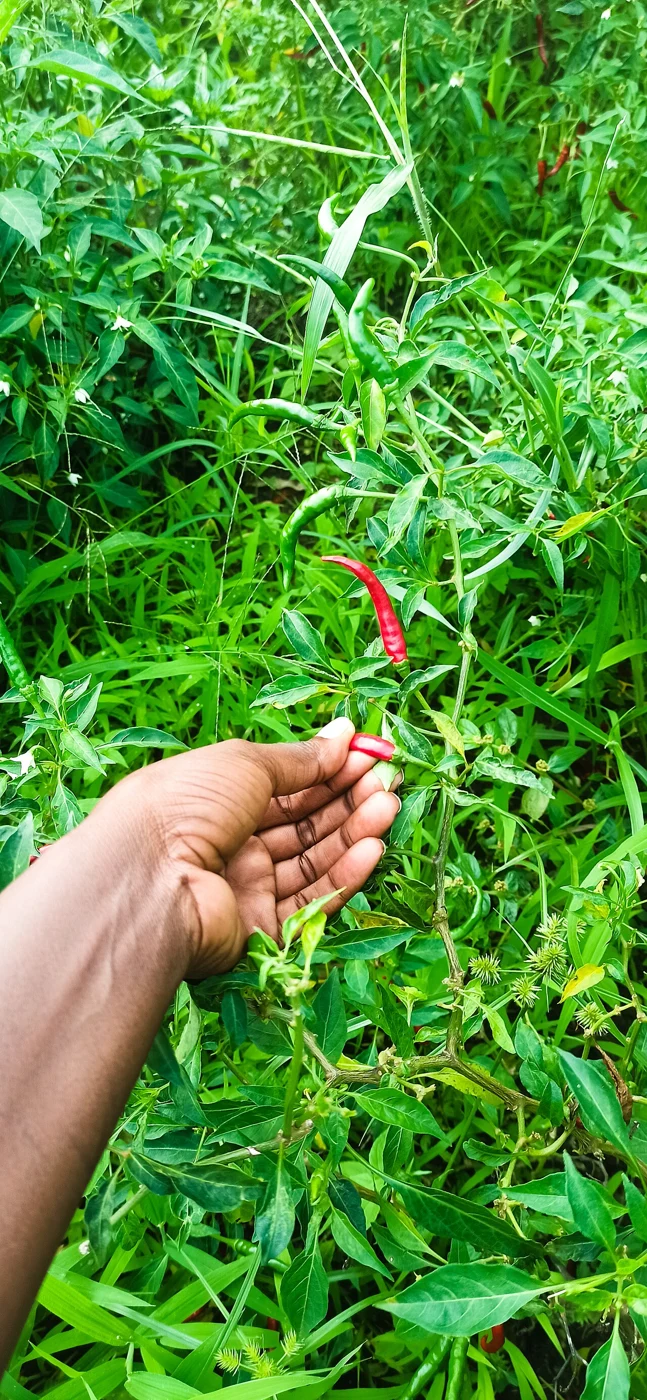
Chillies on a living plant
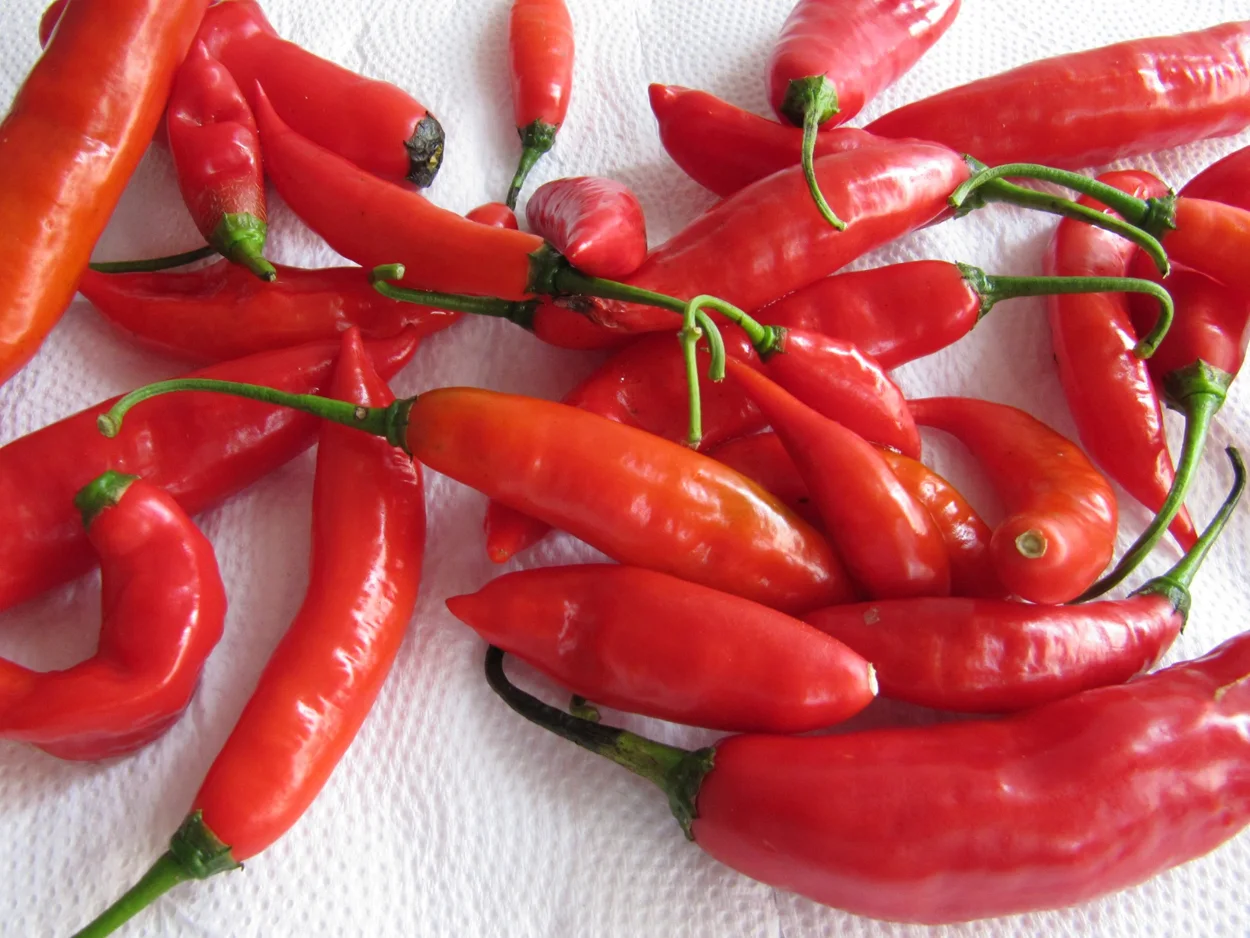
Harvested red chillies
Vegetables

Chilli

Why are the newest chilli leaves curling?

Check in the field

Photograph new growth on one affected and one nearby unaffected plant. Note whether the pattern follows a row.

Example field note

Row C3. Four of 30 plants have curled new leaves. Mark the first and last affected plants and photograph both sides of a leaf.

On your next visit

Compare the next new leaves and mark whether the affected area expanded.

When to involve the centre

If the affected area expands or the same pattern appears in another block, share dated photographs, crop stage and recent field operations with the agronomist.

Related service · Agronomist visit

Link to this crop
Is uneven fruit set confined to one flowering group?

What to measure

Mark plants of the same variety and age in the affected and reference rows. Count flowers and developing pods on comparable branches, then revisit the same branches.

How to interpret the pattern

If flowers are present but set remains lower in one area, share flowering dates, irrigation interruptions and photographs with the agronomist before adjusting inputs.

How should I document leaf damage?

Field check

Photograph the upper and lower leaf surfaces and the whole shoot. Count affected plants out of a stated total and record whether older leaves or new growth changed first.

Photographs and licences

Chillies on a living plant · Zahara5555 · CC BY-SA 4.0 · resized photograph

Harvested red chillies · Leoadec · by-sa/3.0 · resized photograph

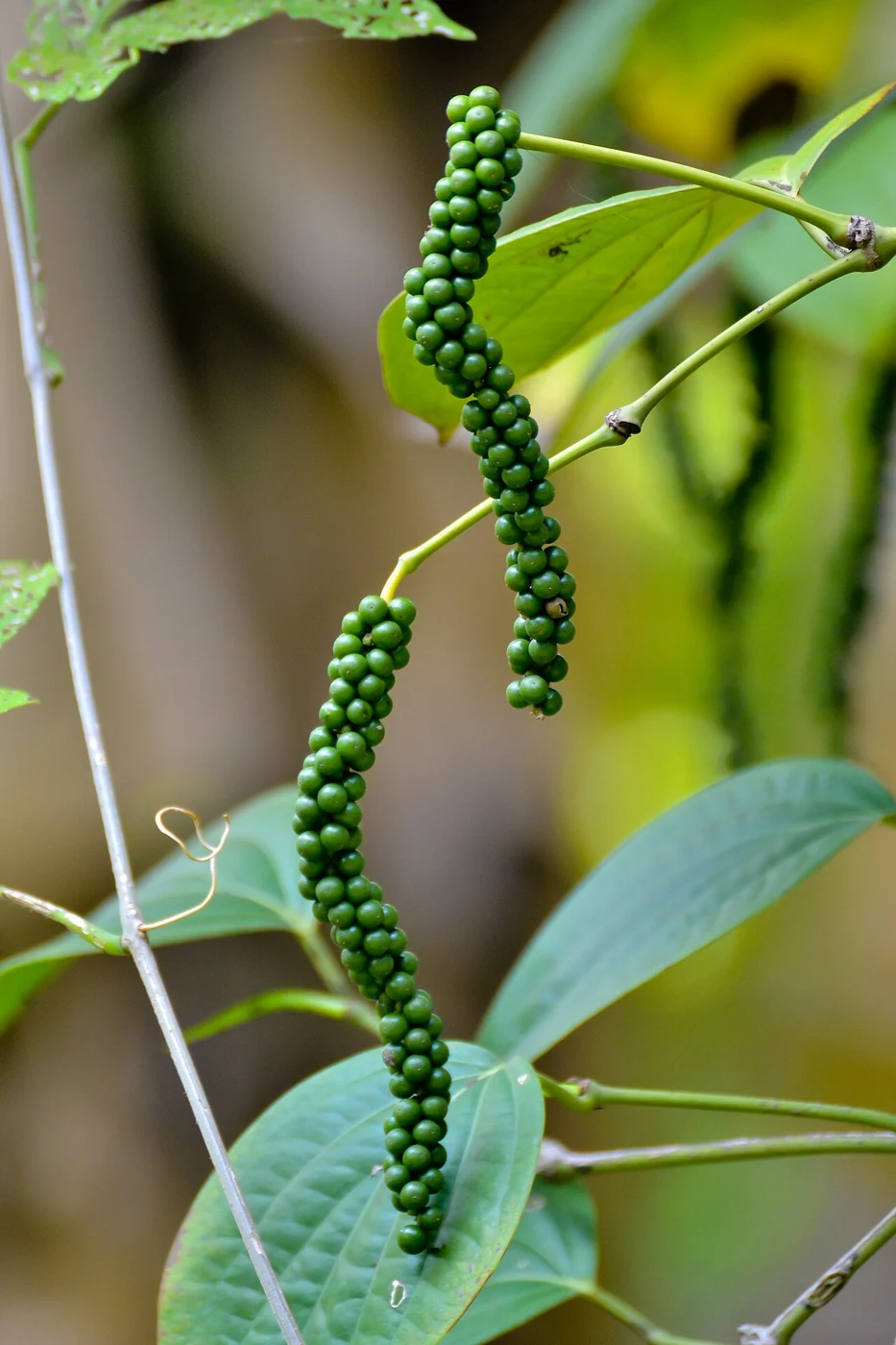
Green peppercorns arranged along fruiting spikes
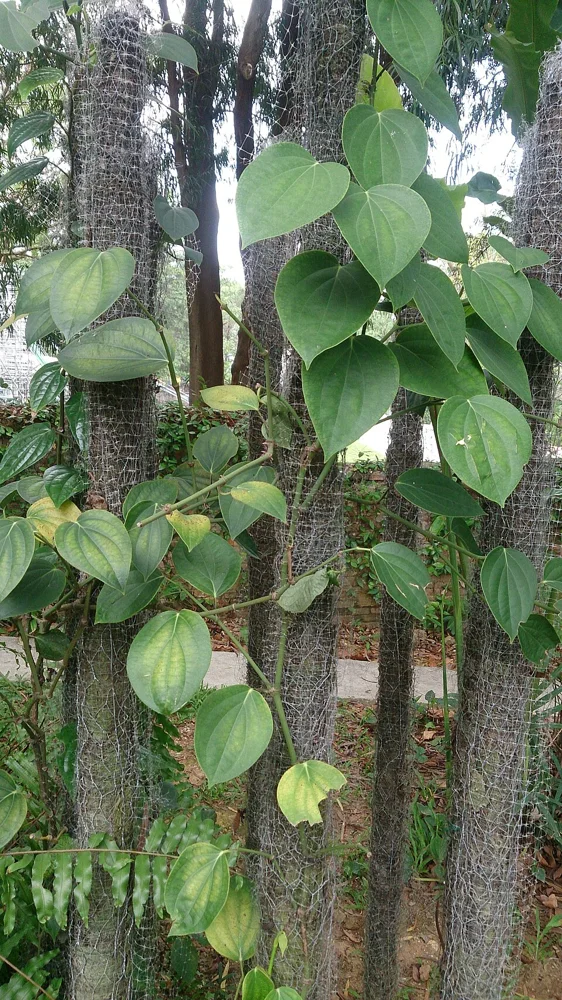
Climbing pepper vine and its support
Spices

Pepper

Why are some pepper vines growing unevenly?

Check in the field

Mark the slow-growing vines. Note standing water, shade and whether adjacent vines show a similar pattern.

Example field note

Vines P4–P9 beside the drain have shorter new shoots. Compare with six vines of the same age one row uphill.

On your next visit

Revisit the same marked vines and record changes in new growth.

When to involve the centre

Ask the agronomist to compare the affected and reference areas and agree sampling locations before combining any samples.

Related service · Soil sampling

Link to this crop
Why do some fruiting spikes have long empty sections?

What to measure

Compare vines of the same age and support type. Photograph spikes at a similar stage with a ruler, then count filled and empty sections on the marked spikes.

How to interpret the pattern

Record whether gaps cluster on particular vines, slopes or flowering dates. Ask for an agronomist visit if the pattern repeats across successive spike groups.

Is the drainage issue local to a few supports?

Field check

After rain, map where water collects around supports and note when it clears. Compare soil surface, vine growth and recent field traffic at a nearby freely draining point.

Photographs and licences

Green peppercorns arranged along fruiting spikes · K Hari Krishnan · CC BY-SA 3.0 · resized photograph

Climbing pepper vine and its support · Mokkie · by-sa/3.0 · resized photograph

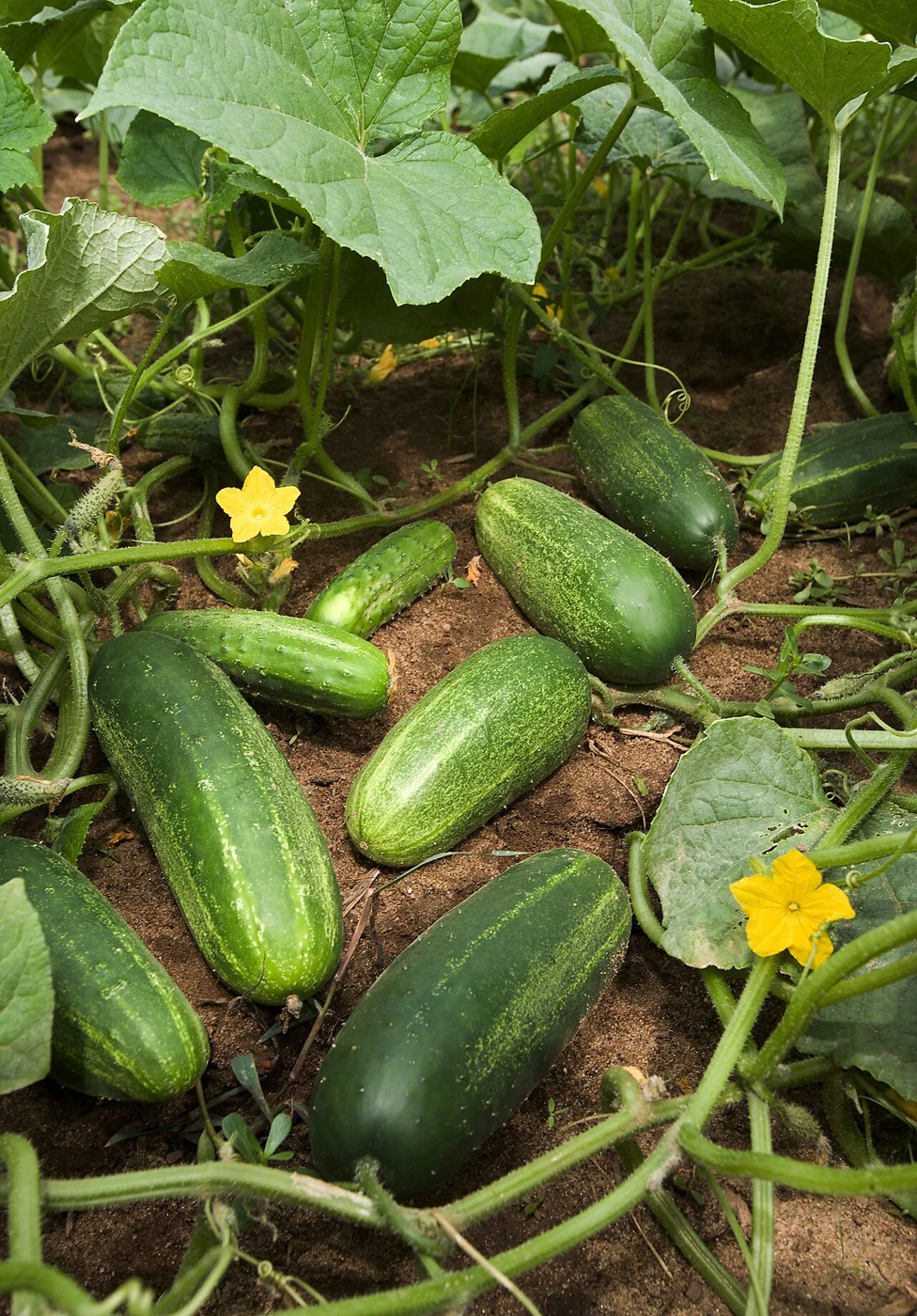
Developing cucumbers beside leaves and flowers
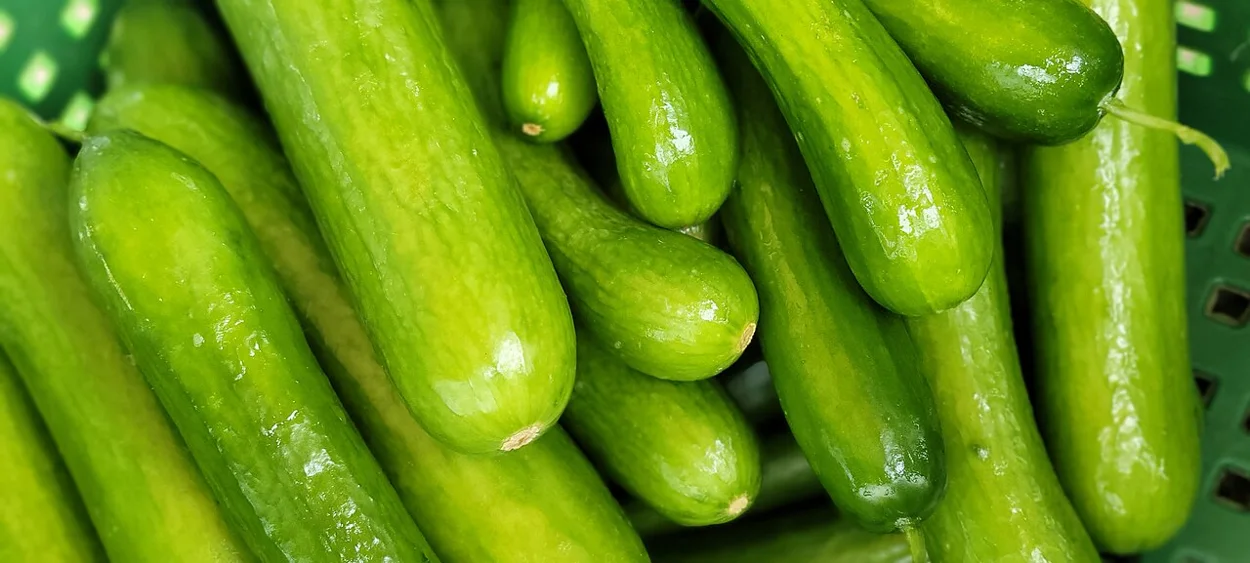
Harvested cucumbers for size comparison
Vegetables

Cucumber

Why does one cucumber bed wilt before the others?

Check in the field

Compare the start and end of the irrigation line at the same time of day.

Example field note

Bed C2. Six plants at the end of the line wilted at noon. Record whether they recover by evening and whether that section received water.

On your next visit

Record how many plants show the same change at the next check.

When to involve the centre

If the difference persists across repeat measurements, send the marked locations, irrigation times and readings to the centre for an irrigation inspection.

Related service · Irrigation inspection

Link to this crop
Which rows are producing more misshapen fruit?

What to measure

Sort one picking by shape and buyer grade. Record variety, row, total fruit and rejected fruit, with photographs from the same viewing angle.

How to interpret the pattern

Compare the affected rows with adjacent rows at the same growth stage. Include irrigation records and the production system when asking the centre to assess fruit quality.

Are all outlets delivering a similar amount?

Field check

Collect water for equal times at the head and tail of one line. Label the two volumes with the line ID and measurement time before requesting an inspection.

Photographs and licences

Developing cucumbers beside leaves and flowers · Stephen Ausmus, USDA ARS · Public domain · resized photograph

Harvested cucumbers for size comparison · Pascal Kings · by/4.0 · resized photograph

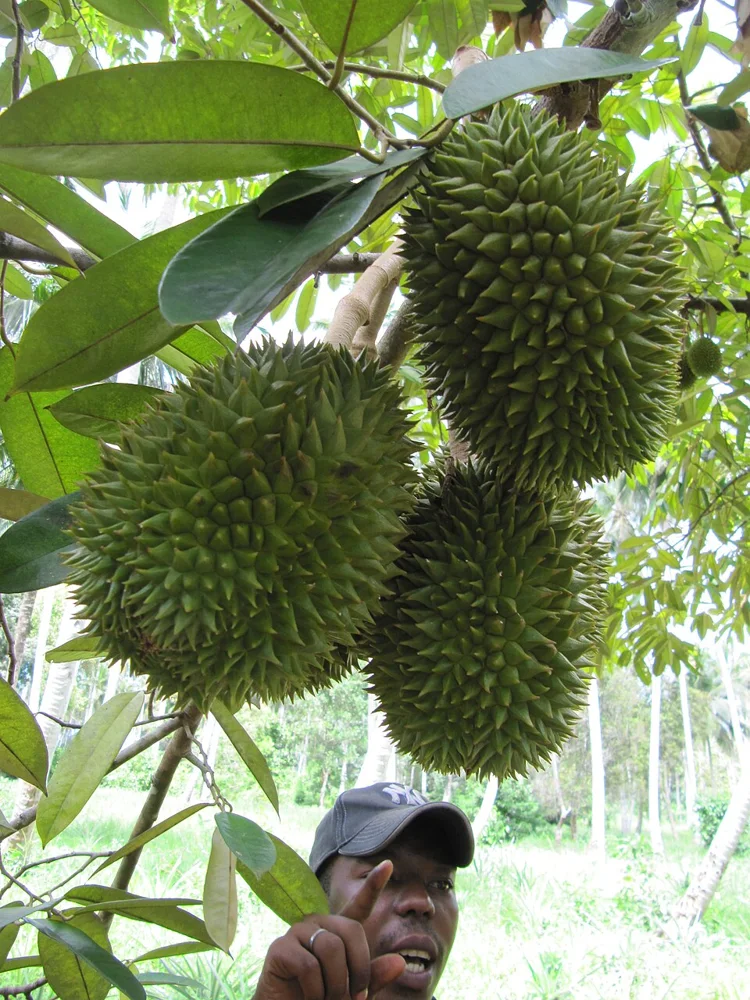
Durian fruit attached to the tree
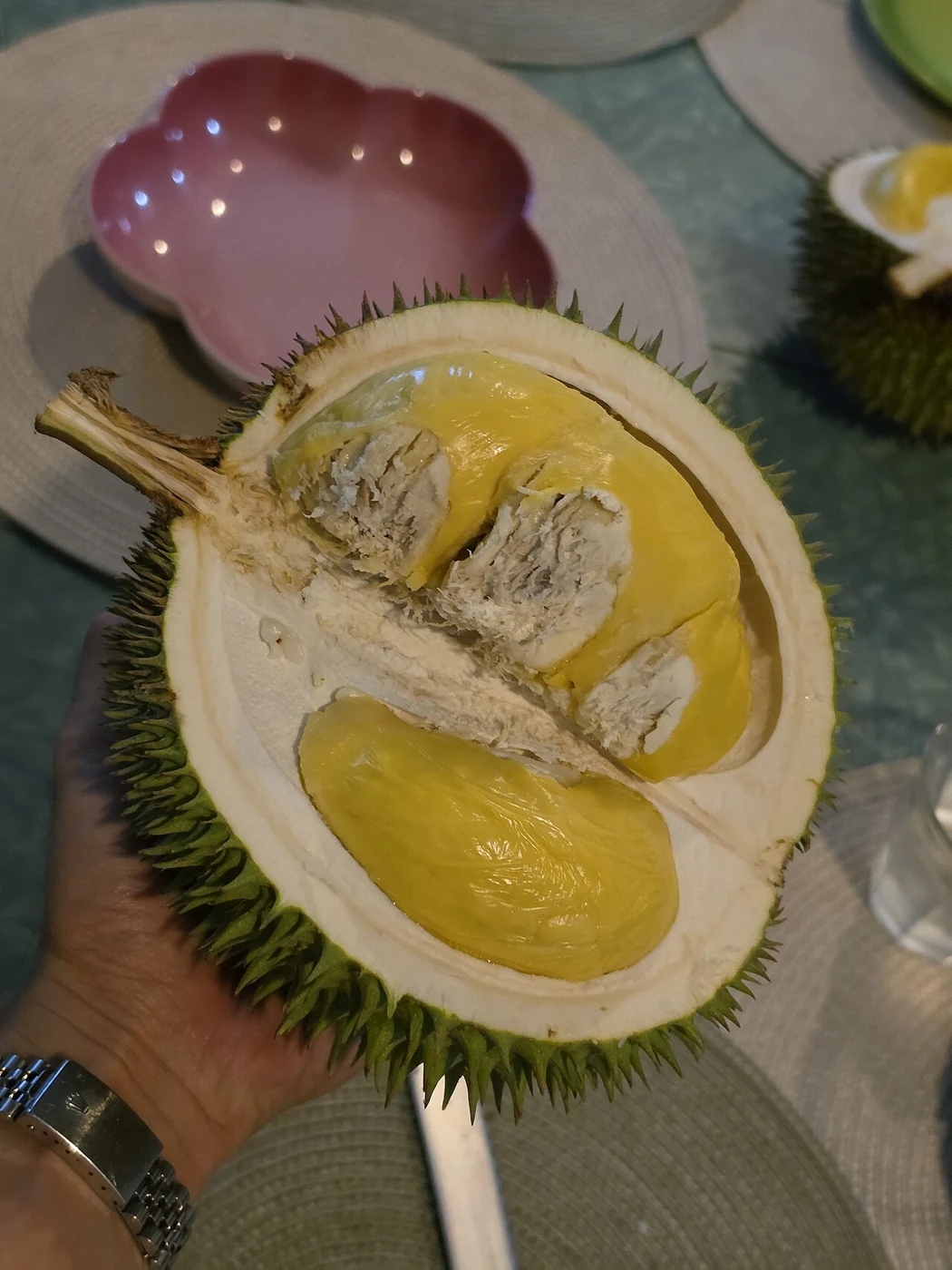
Opened L13 durian showing flesh and rind
Fruit

Durian

Which durian trees dropped fruit this week?

Check in the field

Tag the trees and count fallen fruit by tree and date. Include recent weather in the entry.

Example field note

Trees D12–D16. Nine fallen fruit since yesterday morning, seven beneath D14. Record fruit stage and compare D14 with an adjacent tree of the same cultivar.

On your next visit

Repeat the count for the same trees and time interval.

When to involve the centre

If the affected area expands or the same pattern appears in another block, share dated photographs, crop stage and recent field operations with the agronomist.

Related service · Agronomist visit

Link to this crop
Is fruit drop concentrated in one flowering cohort?

What to measure

Record cultivar, tree ID, flowering date and the number of developing fruit on tagged branches. Count fresh drops over the same interval and record the last rain or irrigation.

How to interpret the pattern

If most new drops come from one tree, compare it with an adjacent tree of the same cultivar and flowering period. Send the tree map, counts and photographs with the consultation.

Which trees are driving a low marketable yield?

Field check

Keep fruit count, accepted weight and rejection reason by tree or harvest lot. Record collection dates so one late-flowering group does not distort an orchard-wide comparison.

Jabatan Pertanian Malaysia · Durian publications

Photographs and licences

Durian fruit attached to the tree · AmonHeijne · by-sa/3.0 · resized photograph

Opened L13 durian showing flesh and rind · Mangiferamagnifica · CC BY-SA 4.0 · resized photograph

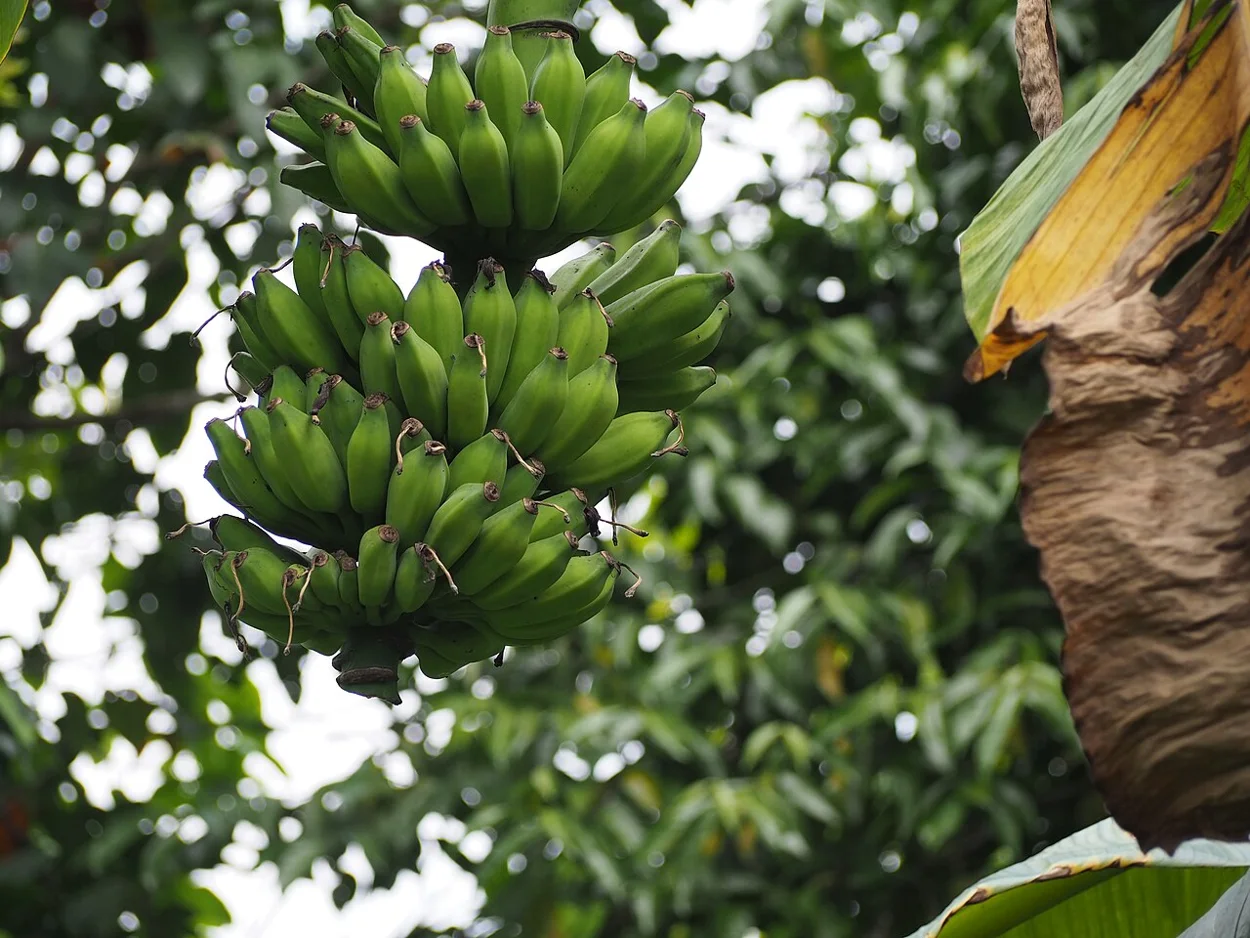
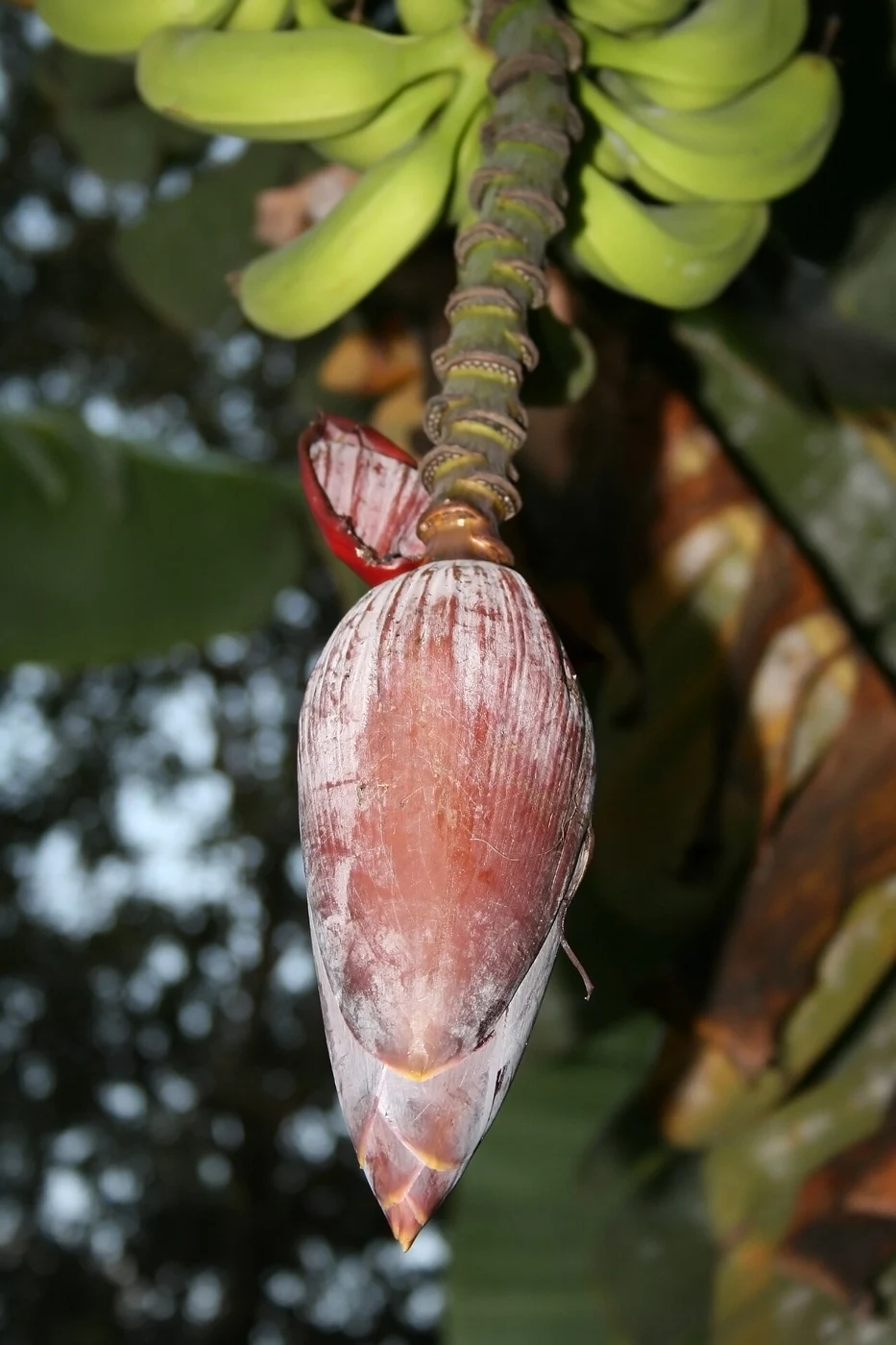
Developing hands above the banana flower
Bunch beneath the banana canopy
Fruit

Banana

Which banana bunches should the collection team inspect?

Check in the field

Match each tagged bunch to its planting block and the buyer’s agreed harvest specification.

Example field note

Block B2. Twelve tagged bunches presented, ten accepted. Record the weight and buyer’s reason for each rejection.

On your next visit

Record how many bunches the buyer accepted and their total weight at collection.

When to involve the centre

If field counts and collection tickets disagree, ask the centre to reconcile the block, date, area and load before planning the next collection.

Related service · Harvesting

Link to this crop
Why is bunch size uneven within the block?

What to measure

Compare bunches of the same cultivar and similar emergence date. Count hands per bunch and weigh bunches using the same trimming practice.

How to interpret the pattern

If the difference follows an emergence group, compare that group again at harvest. If it follows a row, give the centre that row’s plant spacing, irrigation and harvest records.

Where are handling losses occurring?

Field check

Count bruised or rejected hands at field collection and again at packing. Use the same lot reference to identify which handover needs inspection.

Photographs and licences

Developing hands above the banana flower · Muhammad Mahdi Karim · CC BY-SA 2.5 · resized photograph

Bunch beneath the banana canopy · Anish Sheela · by/4.0 · resized photograph

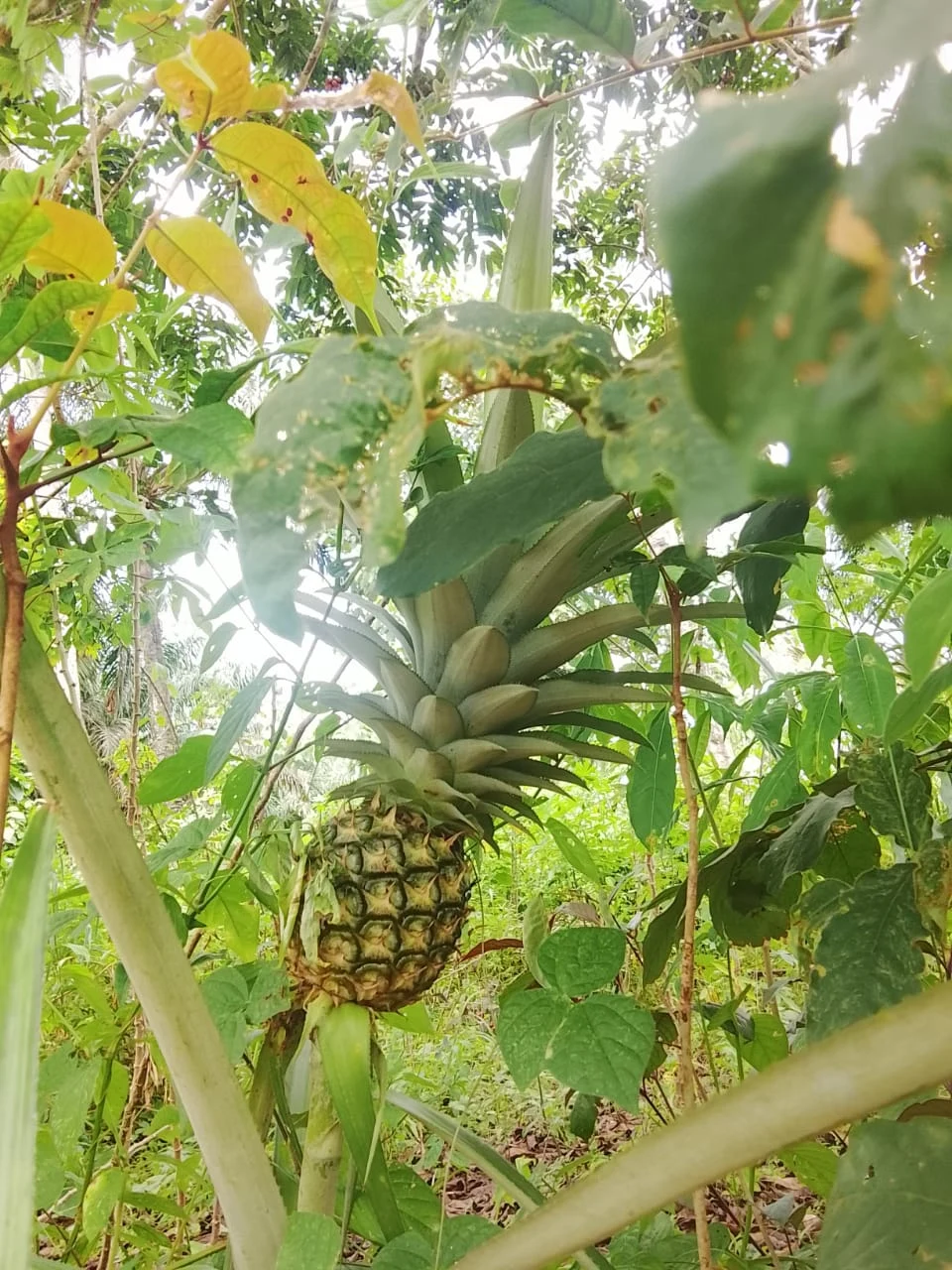
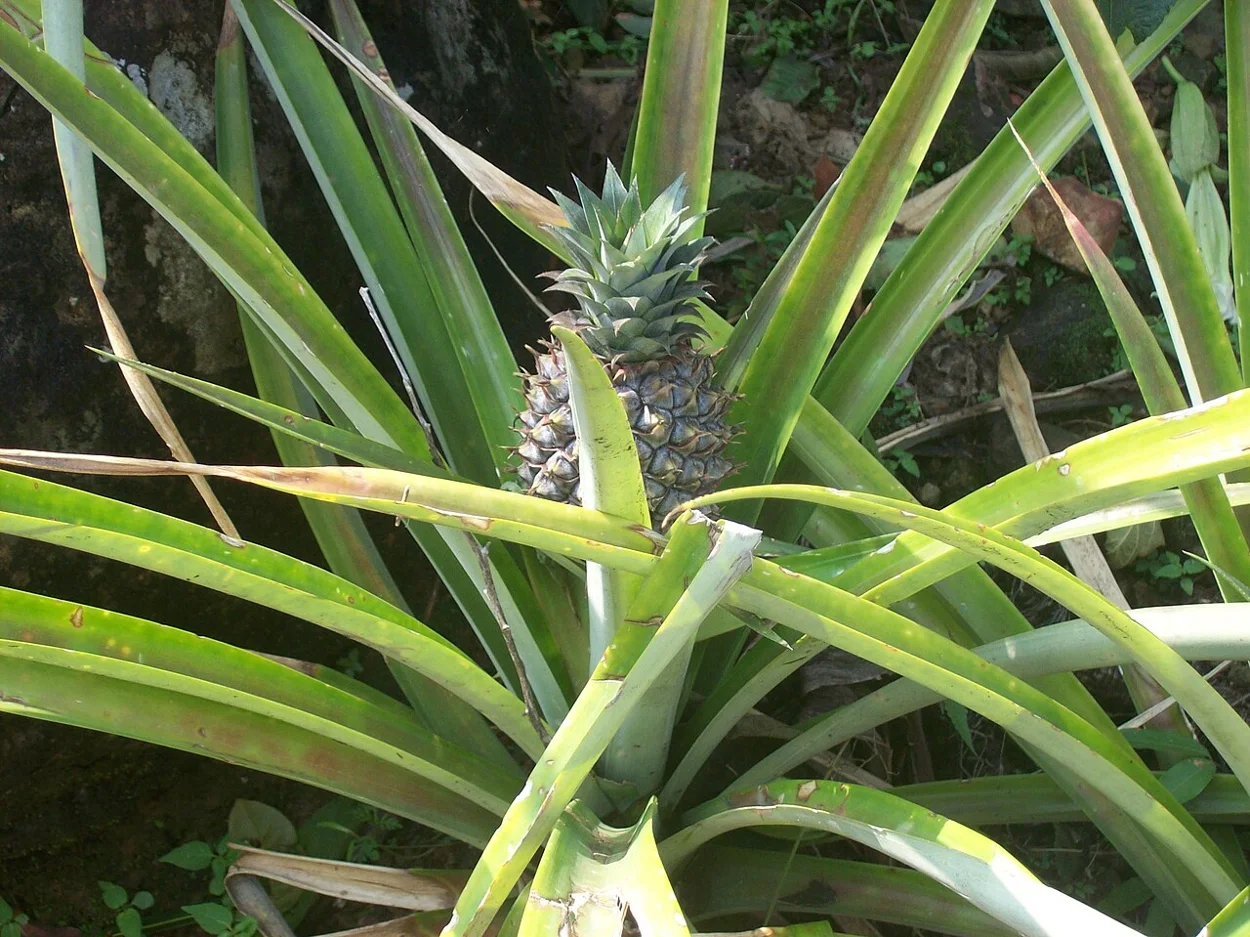
Developing pineapple fruit surrounded by leaves
Pineapple plant with its leaf rosette
Fruit

Pineapple

Why are pineapples developing unevenly across a bed?

Check in the field

Group plants by planting date and variety before comparing fruit development.

Example field note

Bed P3 has two planting dates. Count fruiting plants separately for each planting group before comparing fruit size.

On your next visit

Photograph the same tagged plants at the next visit.

When to involve the centre

If the affected area expands or the same pattern appears in another block, share dated photographs, crop stage and recent field operations with the agronomist.

Related service · Agronomist visit

Link to this crop
Is uneven maturity linked to different planting or induction dates?

What to measure

Group rows by cultivar, planting material and planting date. Where flowering induction was used, record its date. Compare fruit within the same group.

How to interpret the pattern

If differences largely disappear after grouping, plan picking by cohort. If they persist within one cohort, map the affected rows and request a field assessment.

Why are more fruit falling outside the buyer’s size grade?

Field check

Weigh individual fruit from comparable bed sections and record crown-on or crown-off consistently. Keep undersize and damaged rejects separate on the collection sheet.

Jabatan Pertanian Malaysia · Pineapple publications

Photographs and licences

Developing pineapple fruit surrounded by leaves · Victorpeter001 · CC BY 4.0 · resized photograph

Pineapple plant with its leaf rosette · Dipankan001 · by-sa/3.0 · resized photograph

Cluster of unripe papayas along the trunk
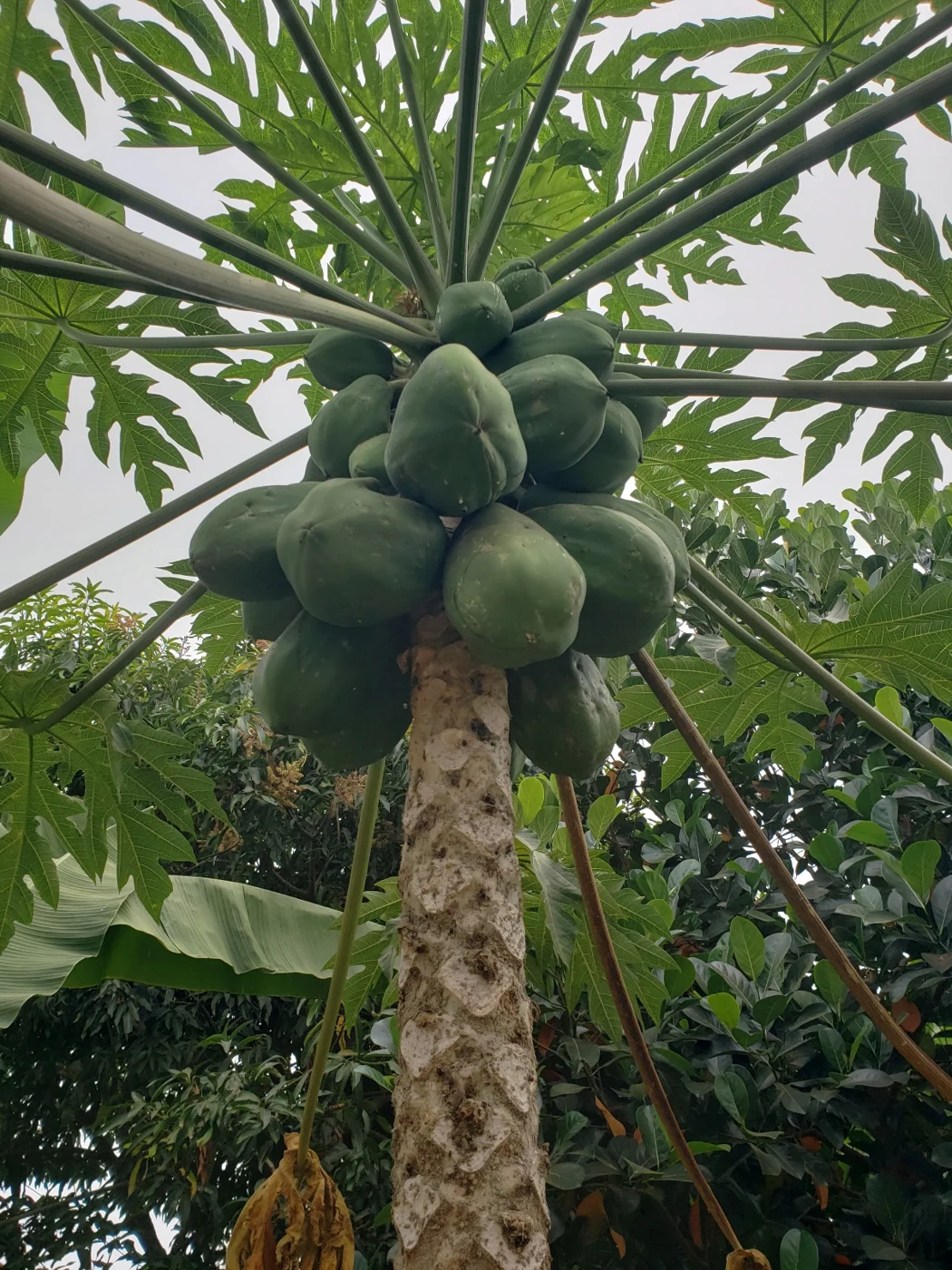
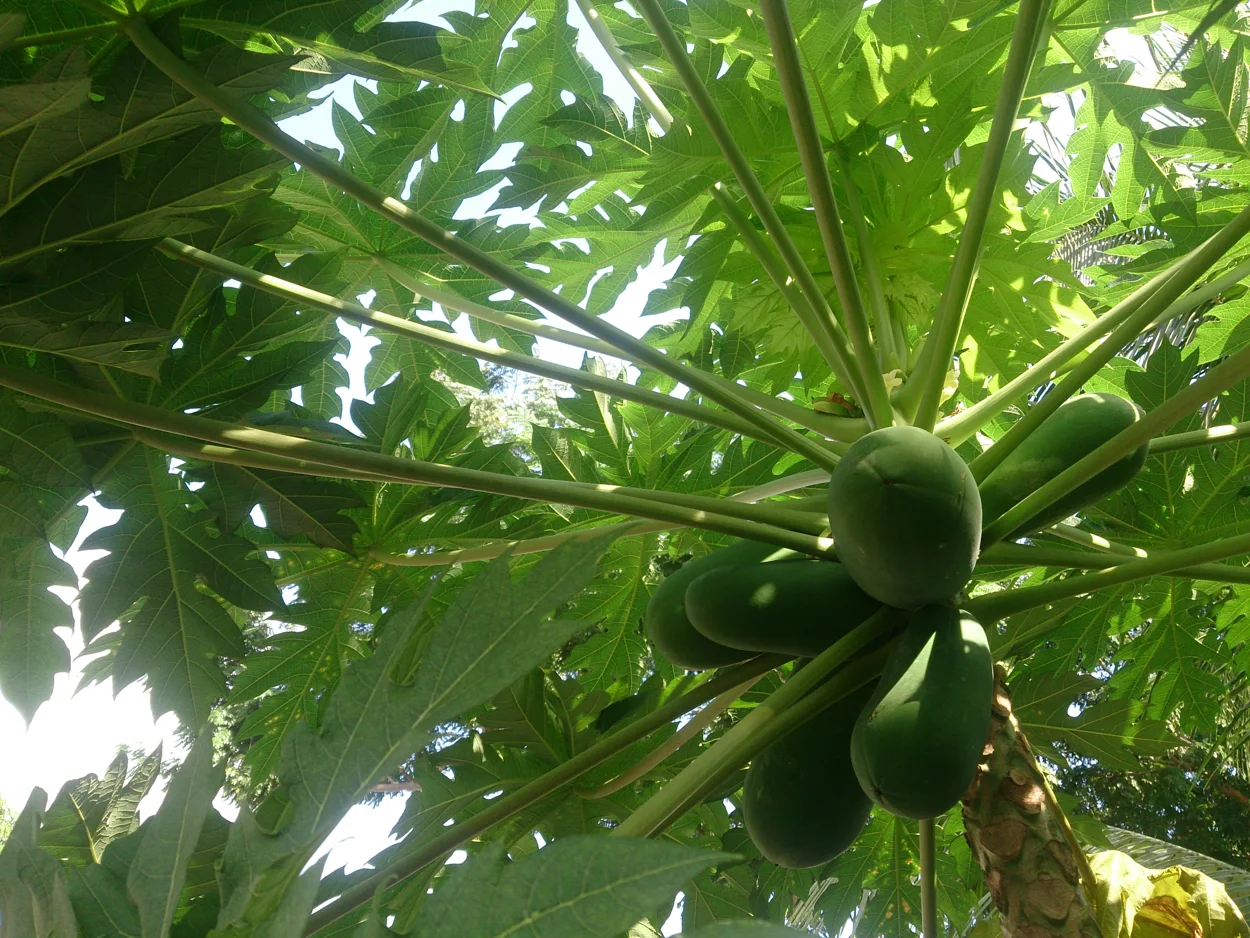
Papaya canopy and attached fruit
Fruit

Papaya

Why is one row of papaya trees bearing less fruit?

Check in the field

Compare tagged trees of similar age. Record flowers and developing fruit separately.

Example field note

Row P7. Five tagged trees carried 18 flowers and 11 developing fruit. Repeat the counts using the same trees and categories.

On your next visit

Count newly set fruits on the same trees.

When to involve the centre

If the affected area expands or the same pattern appears in another block, share dated photographs, crop stage and recent field operations with the agronomist.

Related service · Agronomist visit

Link to this crop
Which tree groups produce the most rejected fruit?

What to measure

Mark trees of similar age. At picking, separate sound fruit, small fruit and visibly damaged fruit; weigh and photograph each class.

How to interpret the pattern

If rejects recur on the same trees, send tree IDs and repeat photographs to the centre. If they first appear after transport, compare the farm and receiving records.

Is a low count due to flowering or later fruit loss?

Field check

Count flowers and small fruit separately on a tagged section. Return to that section and record which fruit remained.

Photographs and licences

Cluster of unripe papayas along the trunk · Elivis256 · CC0 · resized photograph

Papaya canopy and attached fruit · Mokkie · by-sa/3.0 · resized photograph

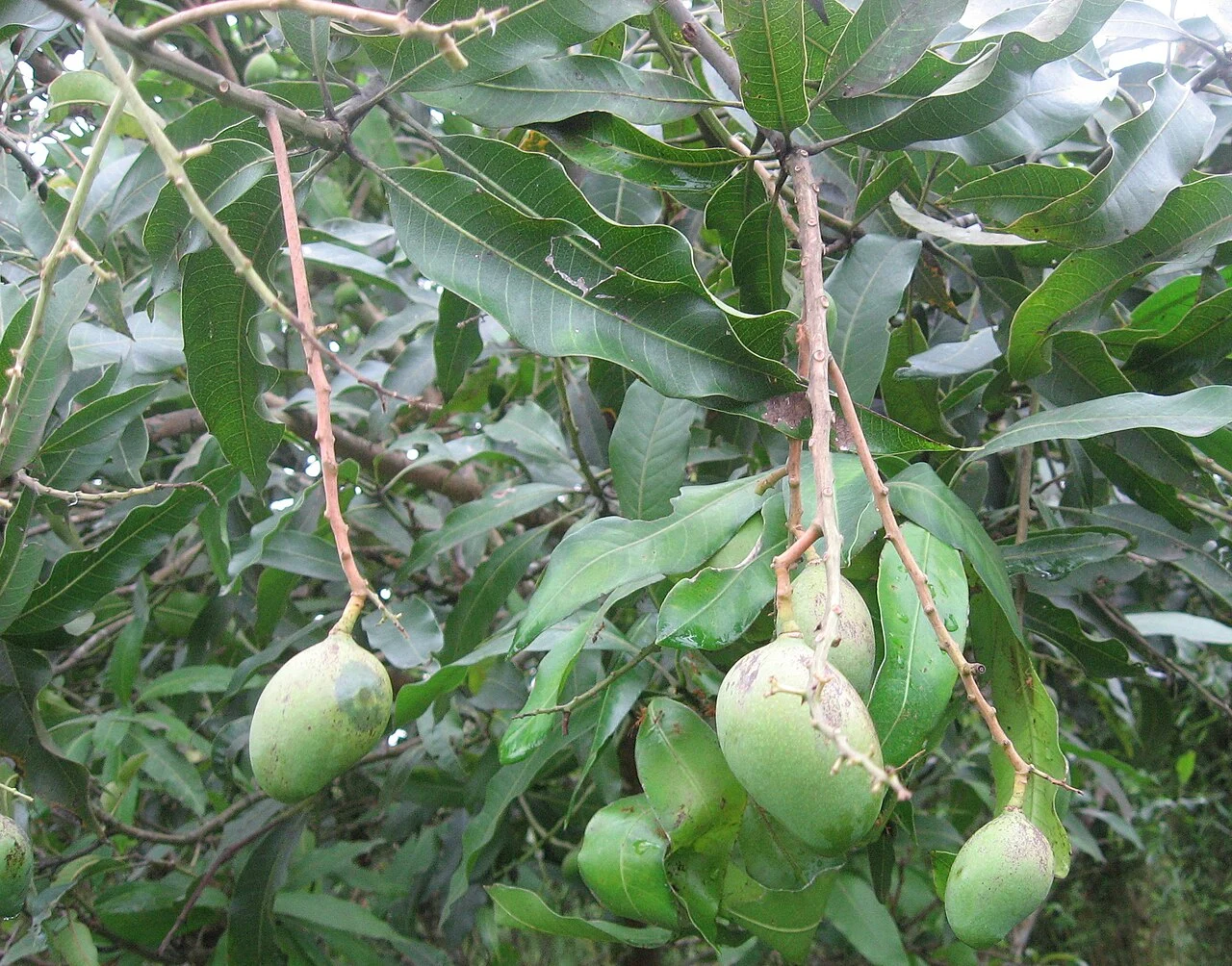
Several mangoes attached to a fruiting branch
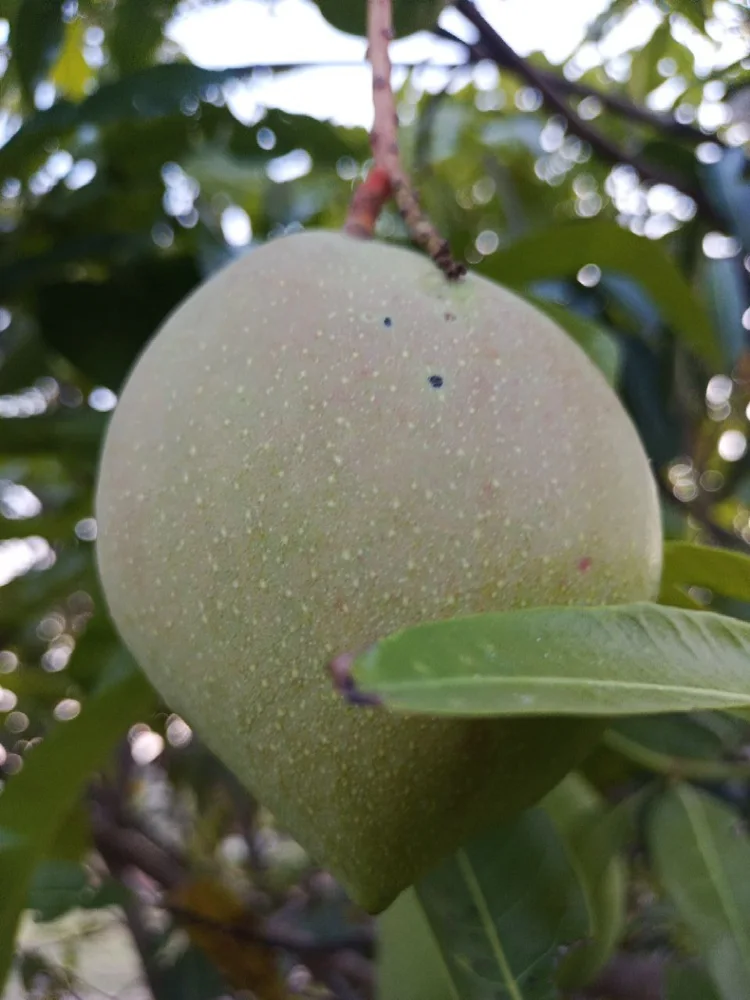
Single mango on the tree
Fruit

Mango

Which mango rows are ready for a harvest assessment?

Check in the field

List the variety, flowering dates and buyer requirements for each row.

Example field note

Row M2 flowered one week after M1. Record the buyer’s maturity criteria and keep the two lots identifiable at collection.

On your next visit

Compare collected and accepted quantities from each row.

When to involve the centre

If field counts and collection tickets disagree, ask the centre to reconcile the block, date, area and load before planning the next collection.

Related service · Harvesting

Link to this crop
Is the low fruit count linked to one flowering period?

What to measure

Record cultivar and flowering week for tagged panicles on several comparable trees. Count retained fruit on the same panicles at repeat visits.

How to interpret the pattern

Group the observations by flowering period before asking the agronomist to compare rows. A late flush needs its own assessment date.

Which harvest lot is missing the buyer’s grade?

Field check

Record the buyer’s agreed maturity and size specification, harvest date, sample weights and reject reasons. Keep lots from different cultivars separate.

Photographs and licences

Several mangoes attached to a fruiting branch · মৌচুমী · CC BY-SA 3.0 · resized photograph

Single mango on the tree · பிருந்தா சுப்ரமணி · by-sa/4.0 · resized photograph
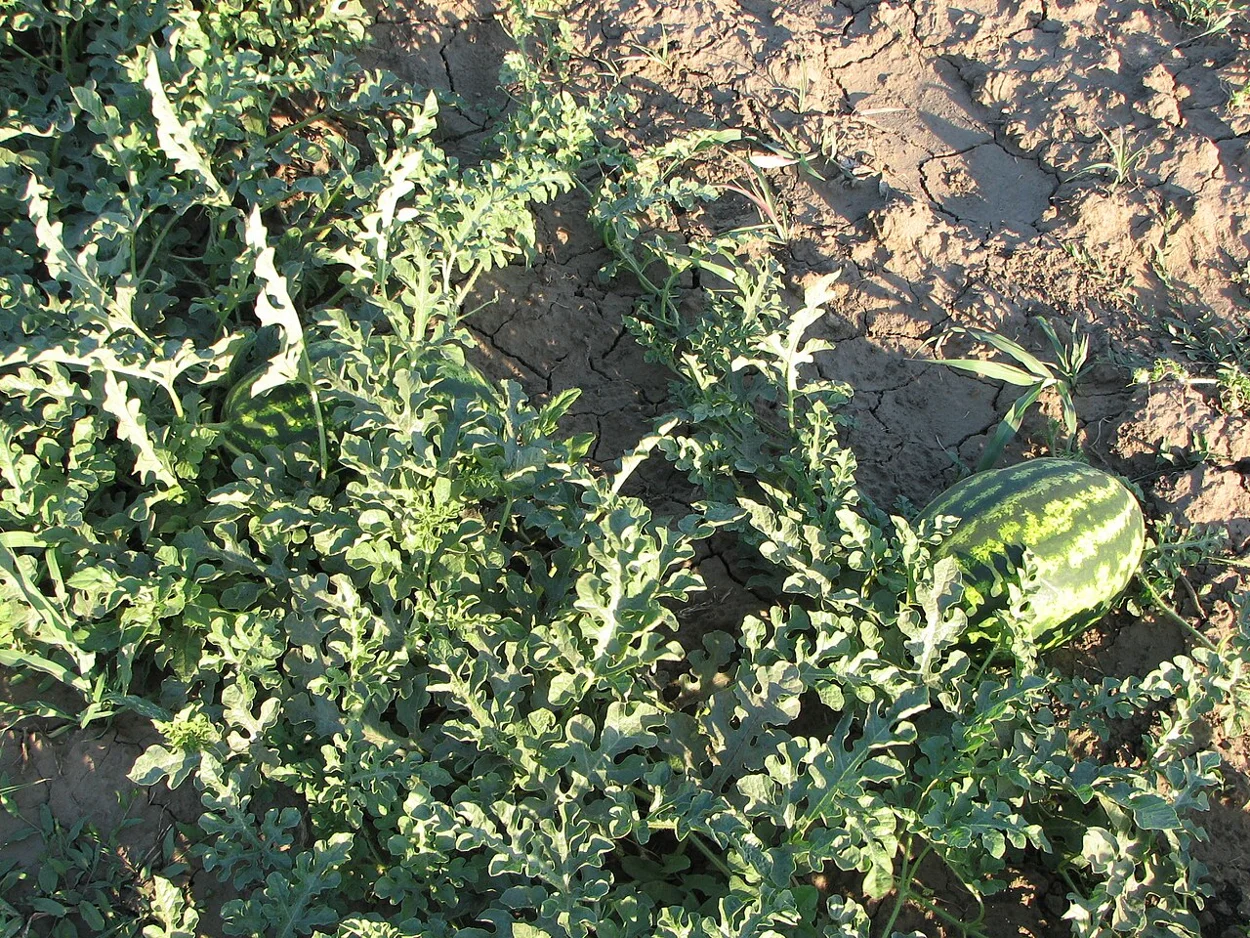
Watermelons and vines on the ground
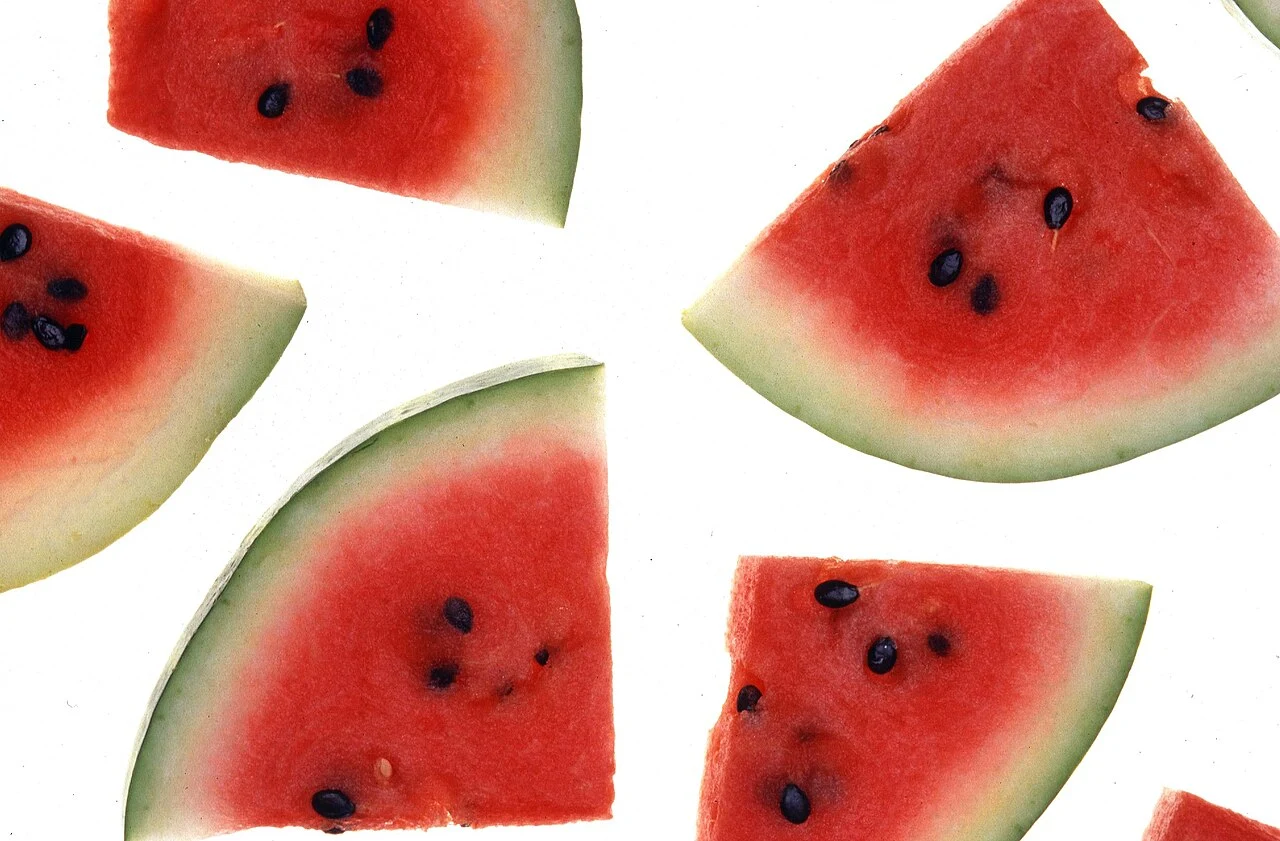
Cut fruit showing rind and flesh
Fruit

Watermelon

Why are some watermelon vines shorter?

Check in the field

Mark the affected section and compare growth stage, irrigation and planting dates.

Example field note

Bed W1. Compare five tagged vines at the inlet and five at the tail. Measure from the same marked node each time.

On your next visit

Measure tagged vine lengths from the same reference points.

When to involve the centre

If the difference persists across repeat measurements, send the marked locations, irrigation times and readings to the centre for an irrigation inspection.

Related service · Irrigation inspection

Link to this crop
Why is marketable size different across the field?

What to measure

Mark fruit with comparable set dates. Measure circumference at the same position and record fruit count per vine, bed position and irrigation line.

How to interpret the pattern

If a consistent gap follows the irrigation line, request an outlet check. If it follows set date, compare fruit again at equivalent ages.

Where did the rejected fruit enter the lot?

Field check

Count split, damaged and undersize fruit separately at harvest and loading. Photograph a typical example of each with the bed and lot reference.

Photographs and licences

Watermelons and vines on the ground · Mihaib21 · by-sa/3.0 · resized photograph

Cut fruit showing rind and flesh · USDA photo by Scott Bauer · Public domain · resized photograph

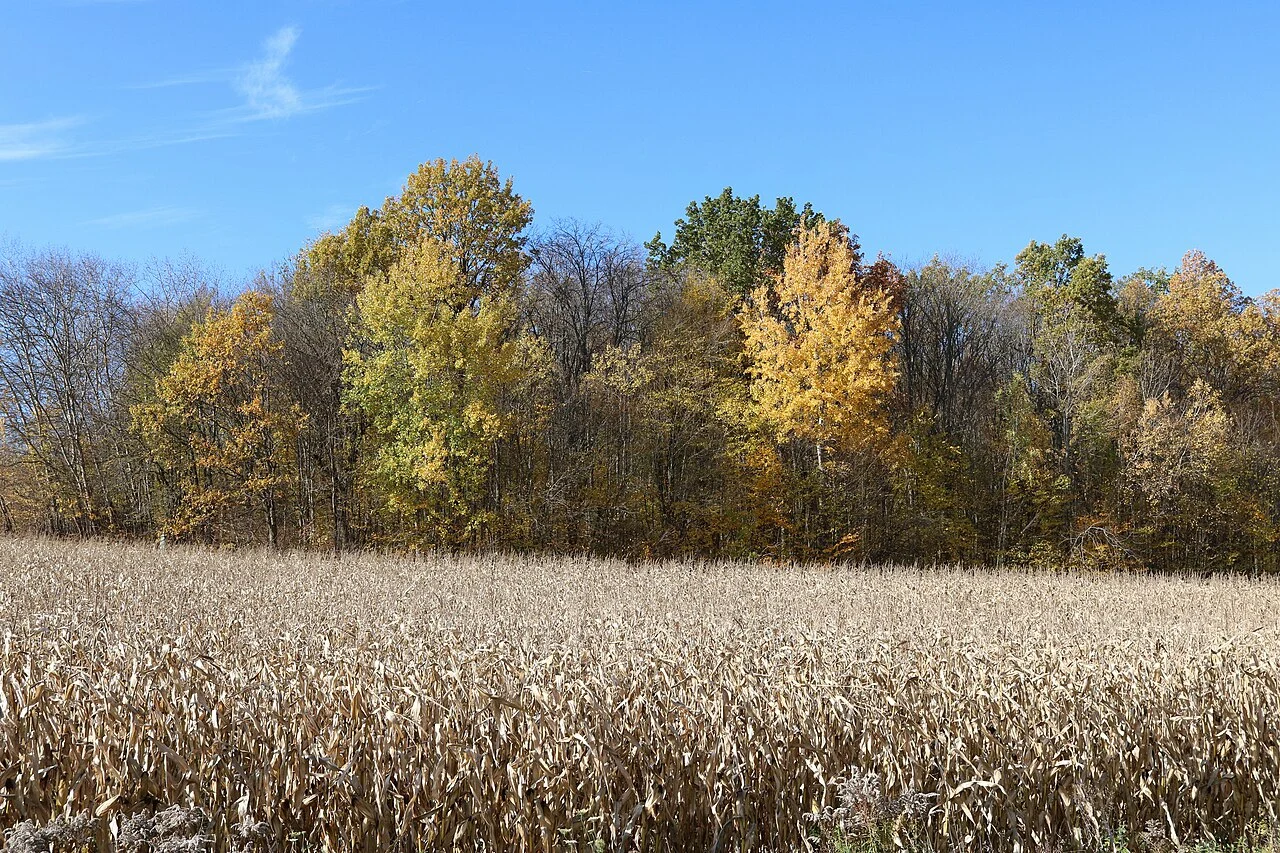
Standing maize crop across a field
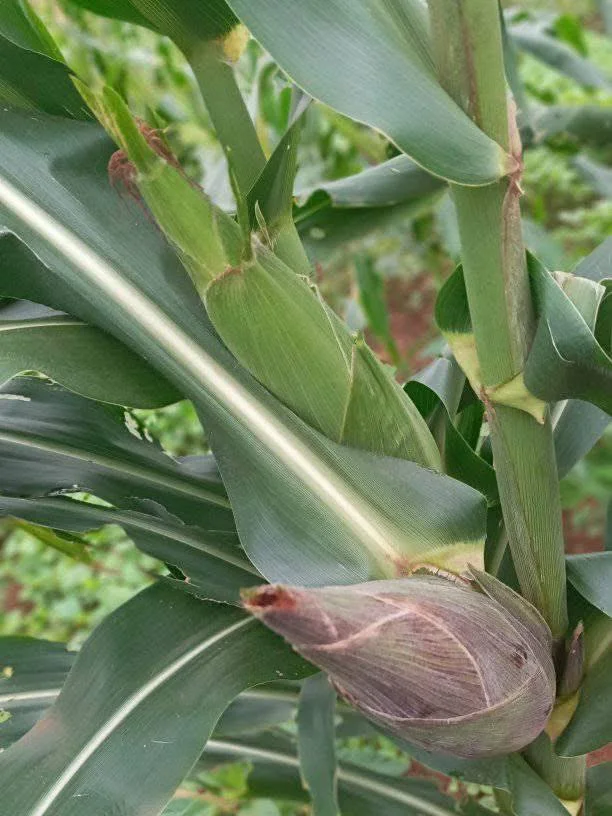
Developing ear attached to the maize stalk
Field crops

Maize

Where are plants missing from the maize rows?

Check in the field

Count plants and gaps along equal measured lengths of row.

Example field note

Three 10 m row sections contained 43, 42 and 30 plants. Mark the gaps on the third section before investigating.

On your next visit

Recount the same lengths and record any change.

When to involve the centre

If the affected area expands or the same pattern appears in another block, share dated photographs, crop stage and recent field operations with the agronomist.

Related service · Agronomist visit

Link to this crop
Is an uneven stand also affecting ear development?

What to measure

Compare equal row lengths. Count live plants, plants bearing ears and lodged plants separately; note planting date and visible differences in silking.

How to interpret the pattern

Use ears per measured row length alongside the gap count. Show the centre whether the low count comes from missing plants or surviving plants without ears.

How should grain samples be compared?

Field check

Label samples by row and harvest date. Record measured grain moisture and sample weight together before comparing yield records.

Photographs and licences

Standing maize crop across a field · George Chernilevsky · CC BY 4.0 · resized photograph

Developing ear attached to the maize stalk · Suglo20 · by-sa/4.0 · resized photograph
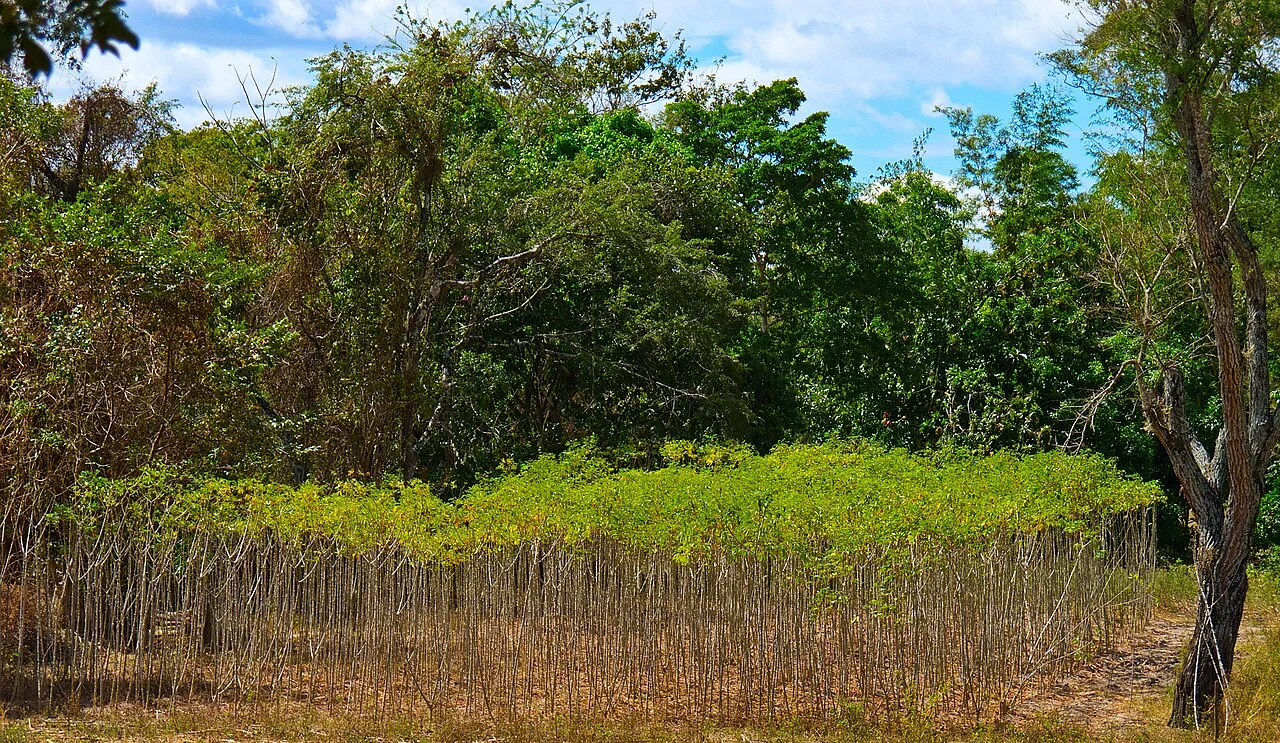
Cassava stand across a field
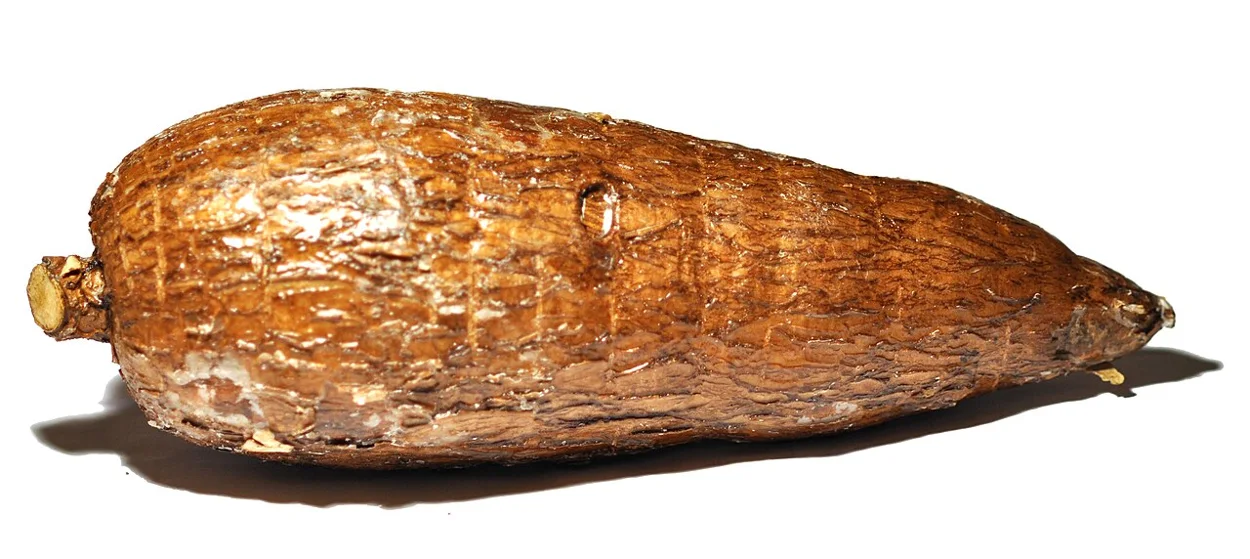
Harvested cassava storage root
Field crops

Cassava

How much cassava can we plan to collect?

Check in the field

Record sample root weights, sampled area and intended harvest blocks.

Example field note

A sampled 10 m² produced 18 kg of roots. Record which part of the plot was sampled before extrapolating to the block.

On your next visit

Compare each block’s estimate with the weight on its collection ticket.

When to involve the centre

If field counts and collection tickets disagree, ask the centre to reconcile the block, date, area and load before planning the next collection.

Related service · Harvesting

Link to this crop
Does root size vary with planting date or stand density?

What to measure

Record variety, planting date, measured sample area and number of surviving plants. Weigh marketable roots separately from undersize or damaged roots.

How to interpret the pattern

Compare weight per plant and per unit area. Larger individual roots can still give a smaller load when the stand has many gaps.

How reliable is the collection estimate?

Field check

Take comparable samples from more than one part of the block. Report the range of sample yields and the area actually available for harvest.

Photographs and licences

Cassava stand across a field · Ll1324 · CC0 · resized photograph

Harvested cassava storage root · Amada44 · by/3.0 · resized photograph

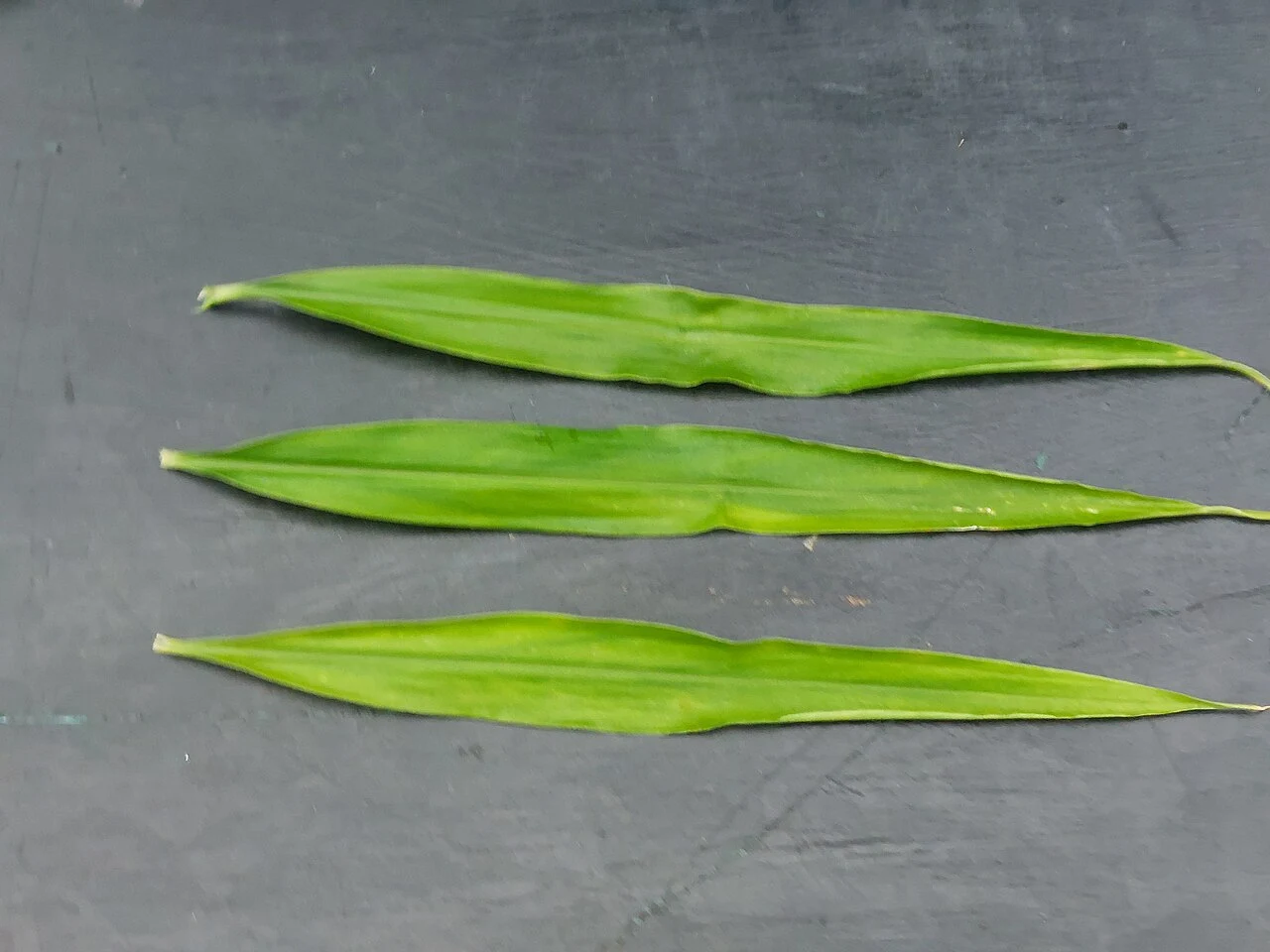
Ginger leaf blades laid out for comparison
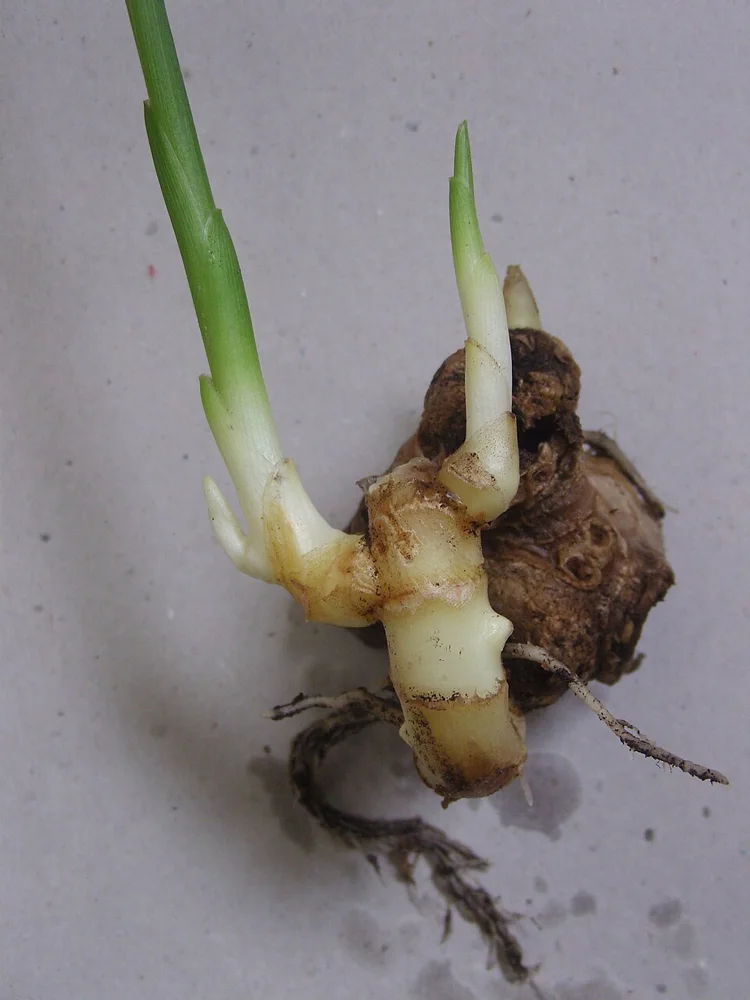
Fresh ginger rhizome with emerging shoots
Spices

Ginger

Why is ginger growth uneven across these beds?

Check in the field

Photograph a whole bed and a close-up. Record where uneven growth begins.

Example field note

Bed G4. The uneven patch starts 8 m from the gate. Mark its boundary and photograph a comparable section of the same planting.

On your next visit

Compare the same bed sections at the next visit.

When to involve the centre

Ask the agronomist to compare the affected and reference areas and agree sampling locations before combining any samples.

Related service · Soil sampling

Link to this crop
Is a thin patch spreading through the same bed?

What to measure

Mark two patch boundaries and record emergence, standing water and bed position. Photograph both boundaries from fixed points.

How to interpret the pattern

If the boundary moves, ask the centre to inspect before moving planting material between beds. Share the planting lot and dated photographs.

How much harvested rhizome meets the buyer’s grade?

Field check

Weigh cleaned saleable rhizomes and rejects separately using the same preparation method. Record bed ID and reject reason.

Photographs and licences

Ginger leaf blades laid out for comparison · Schlaghecken Josef · CC BY-SA 4.0 · resized photograph

Fresh ginger rhizome with emerging shoots · Olli Salmela (Dacnoh) · by-sa/3.0 · resized photograph

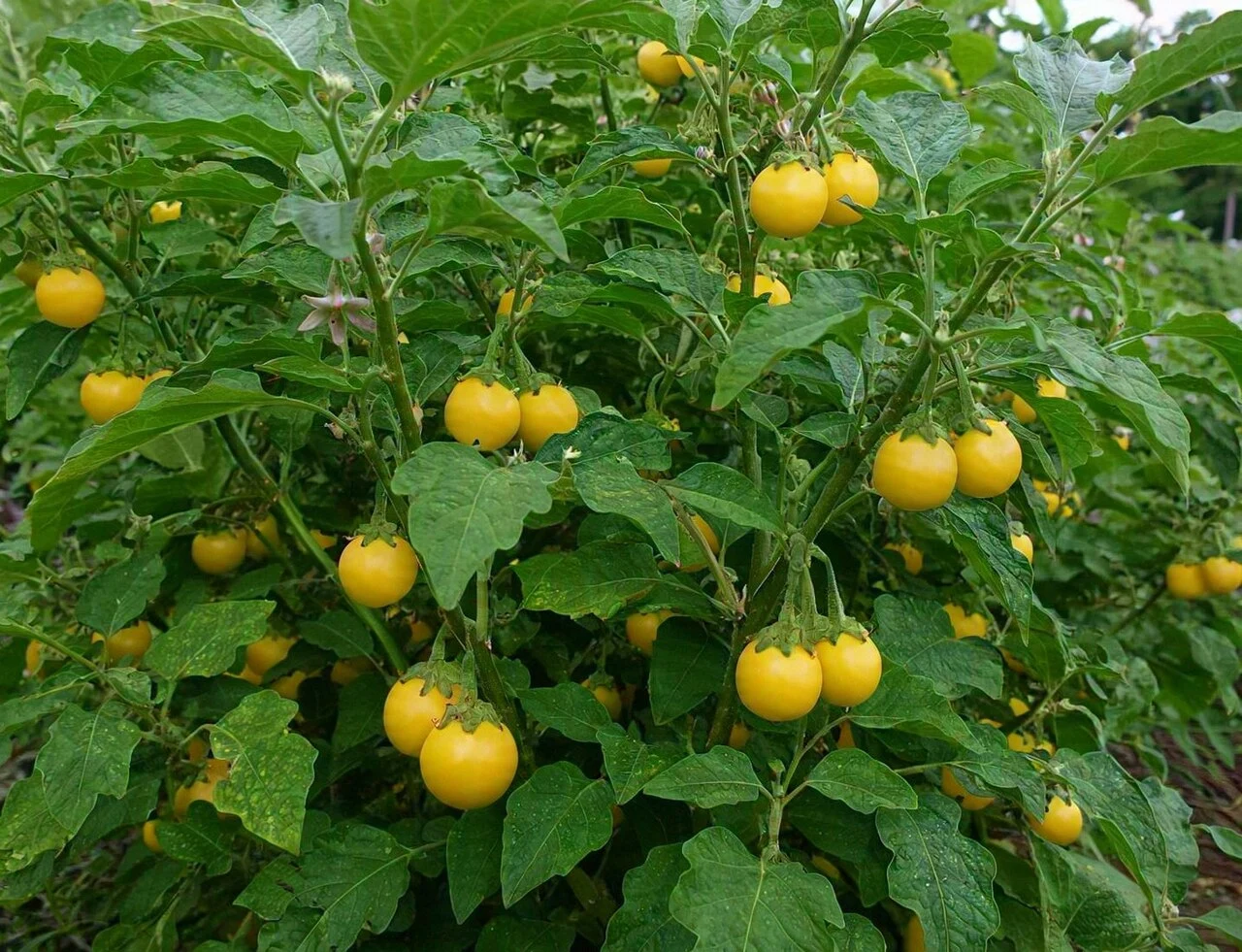
Thai Yellow brinjal fruit growing on the plant
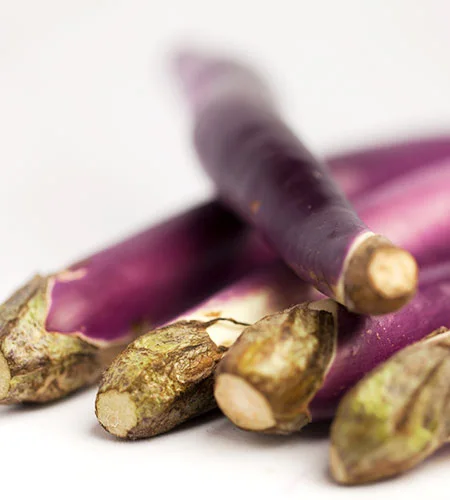
Harvested purple brinjal fruit
Vegetables

Brinjal

Which brinjal row produces fewer marketable fruits?

Check in the field

Record harvested and rejected fruit counts separately by row.

Example field note

Row B3. Of 60 fruit picked, 12 were rejected. Record the 20% rejection rate and separate reasons such as size or visible damage.

On your next visit

Compare the rejected share at the next picking.

When to involve the centre

If the affected area expands or the same pattern appears in another block, share dated photographs, crop stage and recent field operations with the agronomist.

Related service · Agronomist visit

Link to this crop
Are rejects caused mainly by fruit size or visible injury?

What to measure

Separate one picking into the buyer’s size grades, then count scarred or damaged fruit within each grade. Record the variety and row.

How to interpret the pattern

If one grade accounts for most losses, review picking interval with the buyer. For repeated injury, photograph the fruit and nearby leaves for an agronomist.

Which rows need earlier picking?

Field check

Tag marketable fruit at the current pick and compare size at the next round. Record elapsed days and the proportion that exceeded the agreed size.

Photographs and licences

Thai Yellow brinjal fruit growing on the plant · Steffen Bauer (www.saatpilot.de) · CC BY 4.0 · resized photograph

Harvested purple brinjal fruit · Mgmoscatello · by-sa/3.0 · resized photograph

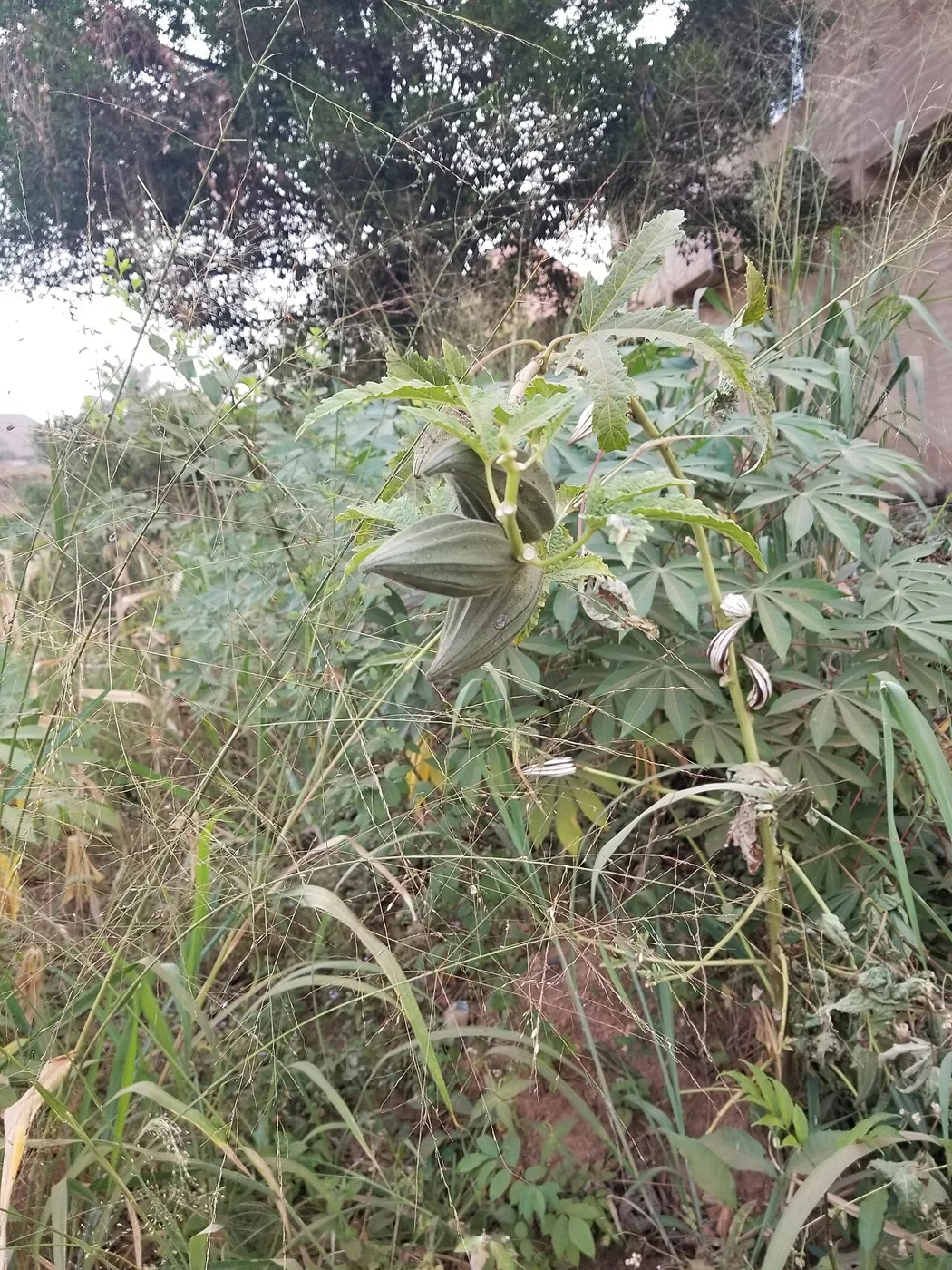
Okra plant showing stem and leaf arrangement
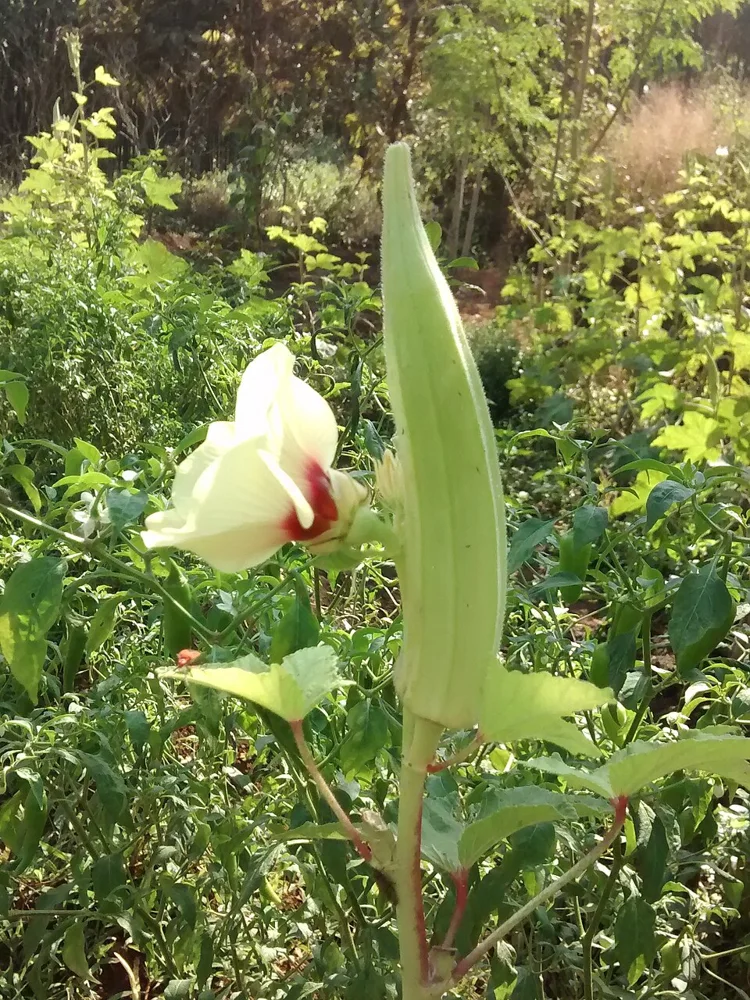
Okra flower and upright pod
Vegetables

Okra

How should we plan the next okra picking?

Check in the field

Record the buyer’s pod size range and sample pod lengths by row.

Example field note

Buyer requests 8–10 cm pods. In a sample of 20, record counts below, within and above that range.

On your next visit

Compare the quantities picked within the agreed size range.

When to involve the centre

If field counts and collection tickets disagree, ask the centre to reconcile the block, date, area and load before planning the next collection.

Related service · Harvesting

Link to this crop
Is the picking interval producing too many oversized pods?

What to measure

Count pods inside and outside the buyer’s size range on equal row lengths. Record the days since the previous pick.

How to interpret the pattern

If oversize pods repeatedly cluster in a late-picked row, revise the picking route and compare rejects on the next collection.

How should I assess uneven establishment?

Field check

Count gaps and live plants over the same measured row length in each bed. Record sowing date and whether gaps follow a bed edge or outlet.

Photographs and licences

Okra plant showing stem and leaf arrangement · Goodymeraj · CC0 · resized photograph

Okra flower and upright pod · Rohan Pinto · by-sa/4.0 · resized photograph
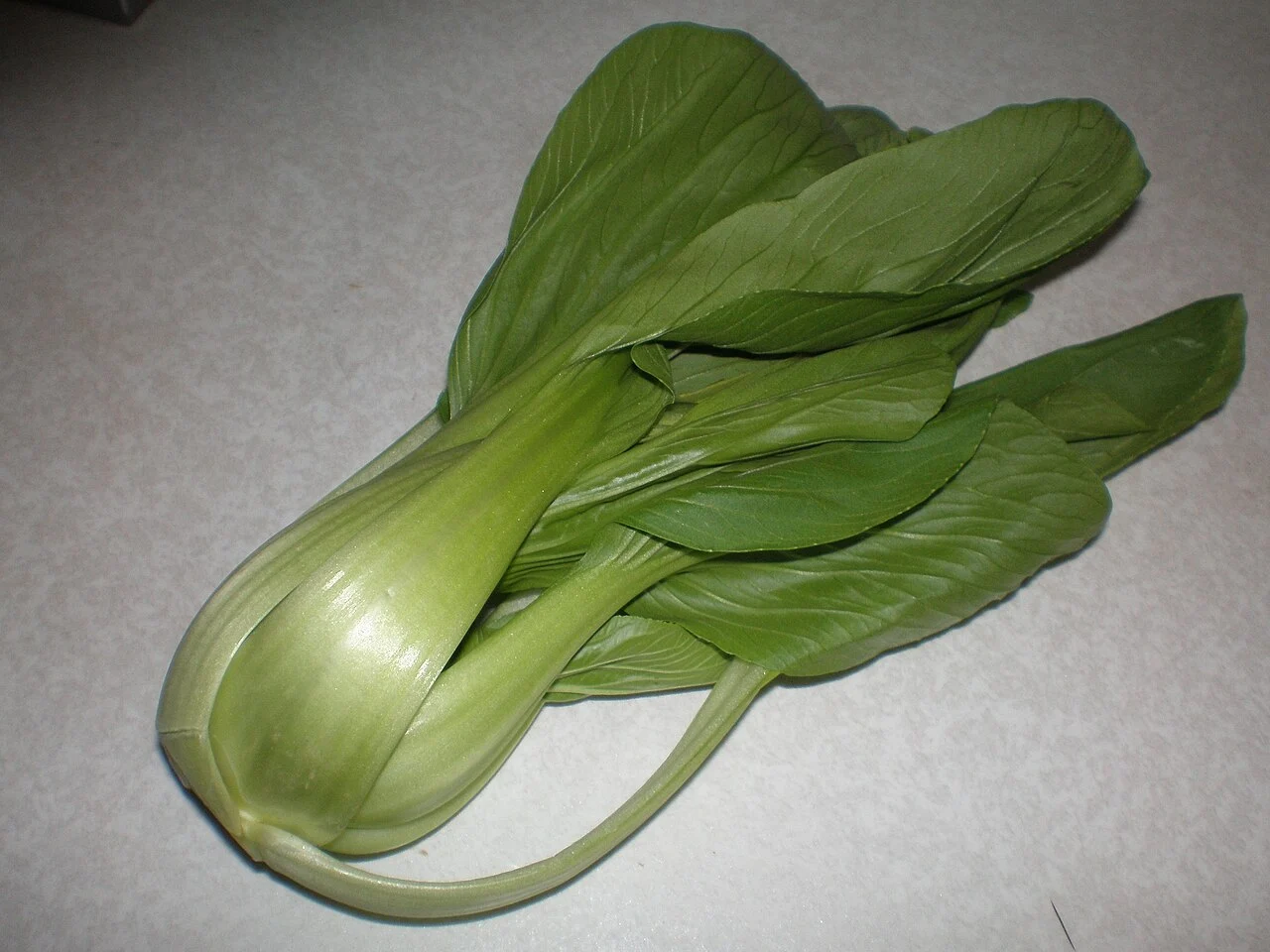
Individual pak choi showing stalks and leaf blades
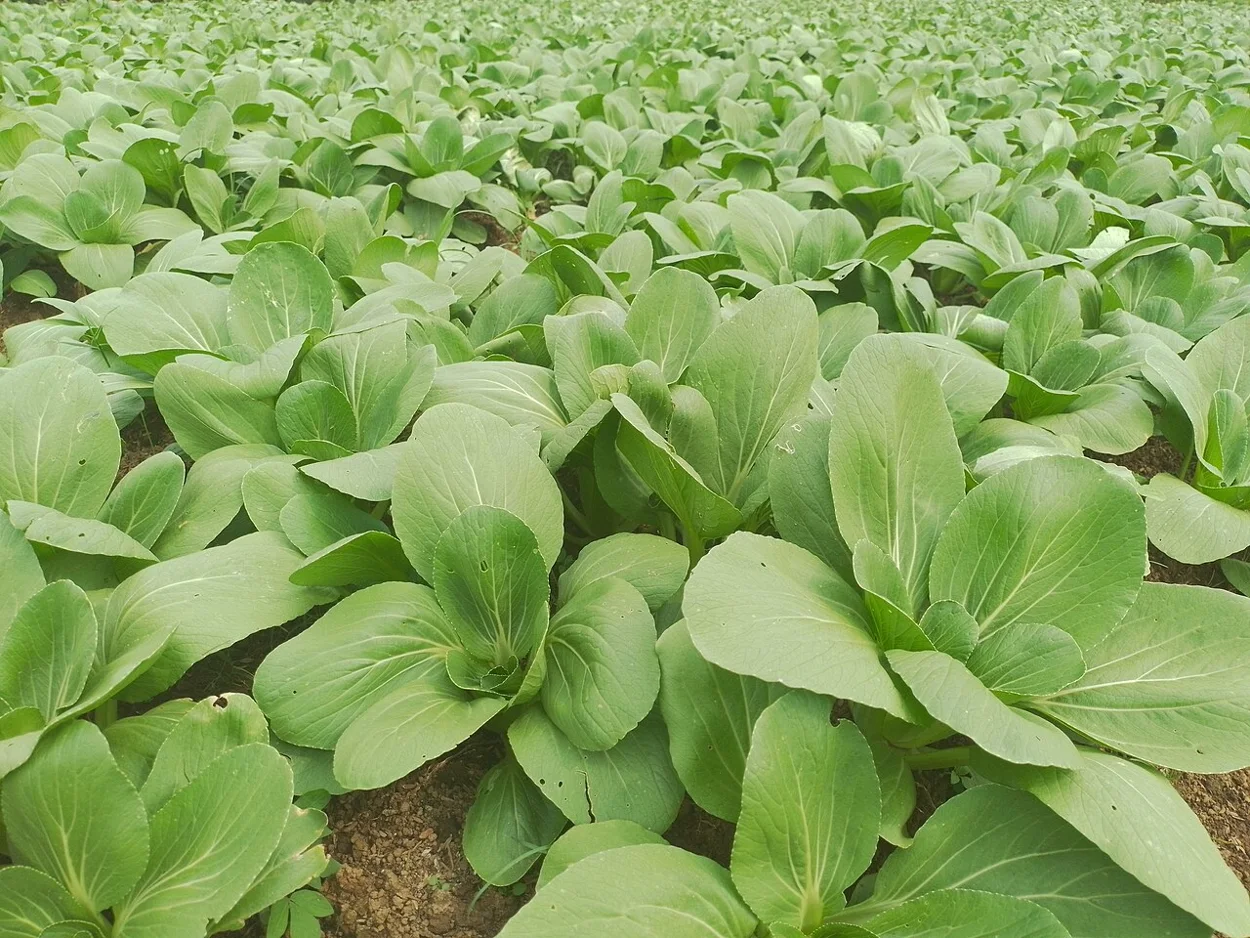
Pak choi bed and canopy
Vegetables

Pak choi

Why is one pak choi bed growing more slowly?

Check in the field

Compare beds sown on the same day. Record plant spacing and irrigation observations.

Example field note

Two beds sown on the same date differ in canopy cover. Record plant counts in equal areas and when each bed was watered.

On your next visit

Photograph the same measured patch at the next check.

When to involve the centre

If the difference persists across repeat measurements, send the marked locations, irrigation times and readings to the centre for an irrigation inspection.

Related service · Irrigation inspection

Link to this crop
Why do two beds give different pack-out weights?

What to measure

Compare beds of the same cultivar and sowing date. Count harvested heads and weigh marketable and trimmed material separately.

How to interpret the pattern

Compare average packed head weight and reject rate. Send photographs of typical heads and the buyer’s specification when seeking advice.

Where is leaf damage most frequent?

Field check

Count affected plants in equal areas at the edge and centre of each bed. Photograph both leaf surfaces and identify whether damage appears on new or older leaves.

Photographs and licences

Individual pak choi showing stalks and leaf blades · おむこさん志望 · CC BY 2.5 · resized photograph

Pak choi bed and canopy · JS and new VpuipV · by-sa/3.0 · resized photograph

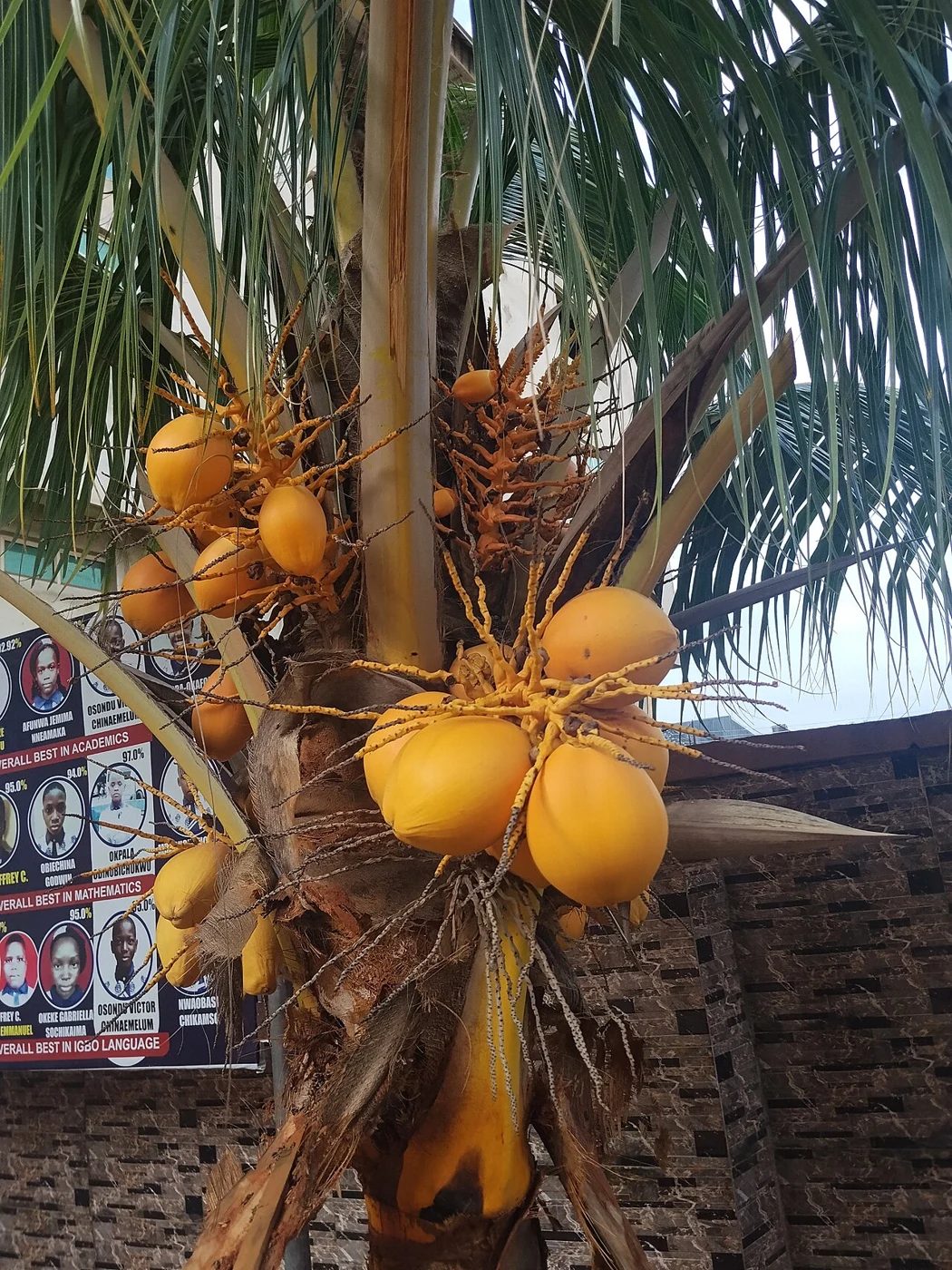
Yellow coconuts clustered below the fronds
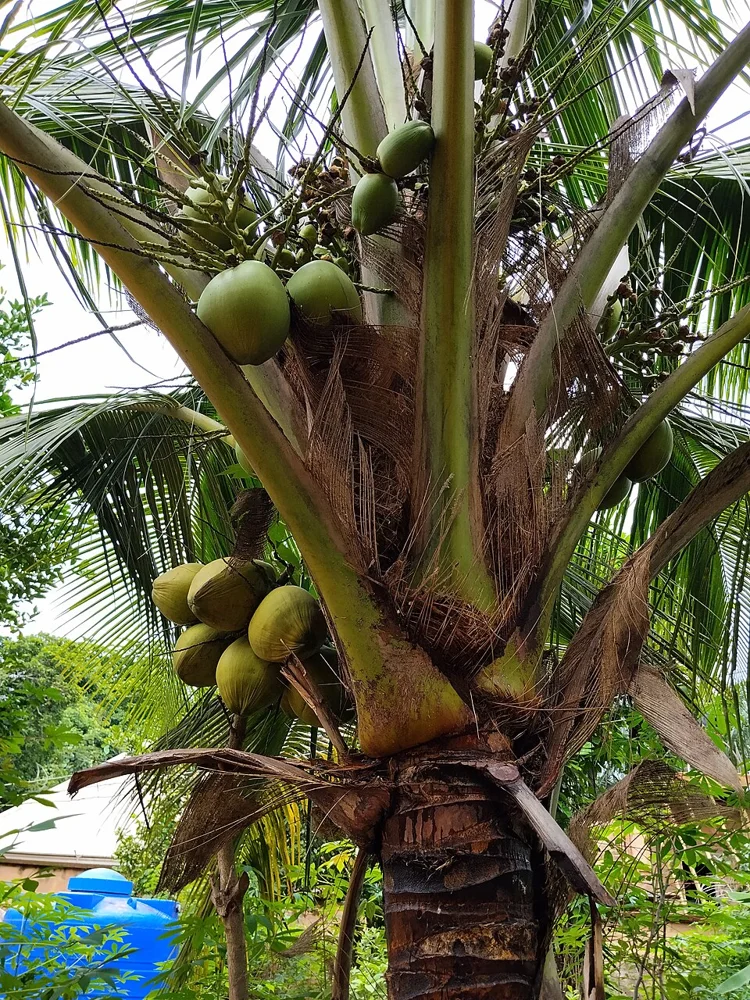
Bearing palm and coconut bunches
Plantation

Coconut

Which coconut block needs collection first?

Check in the field

Record bunch counts and vehicle access for each proposed collection point.

Example field note

Block C2 has three collection points. List estimated loads separately and flag the point a vehicle cannot reach after rain.

On your next visit

Match estimated loads to actual collection receipts.

When to involve the centre

If field counts and collection tickets disagree, ask the centre to reconcile the block, date, area and load before planning the next collection.

Related service · Harvesting

Link to this crop
Is a smaller load due to fewer nuts or smaller nuts?

What to measure

Count nuts and weigh a sample from each harvest lot. Record cultivar, harvest interval and whether samples are husked.

How to interpret the pattern

Compare count per collected area and weight per nut. Check access and missed collection points before attributing a low load to production.

What should the collection crew receive?

Field check

List collection point, estimated nut count, access condition and receiver. Reconcile each point with its delivery ticket.

Photographs and licences

Yellow coconuts clustered below the fronds · Johnnybam · CC0 · resized photograph

Bearing palm and coconut bunches · Johnnybam · by-sa/4.0 · resized photograph
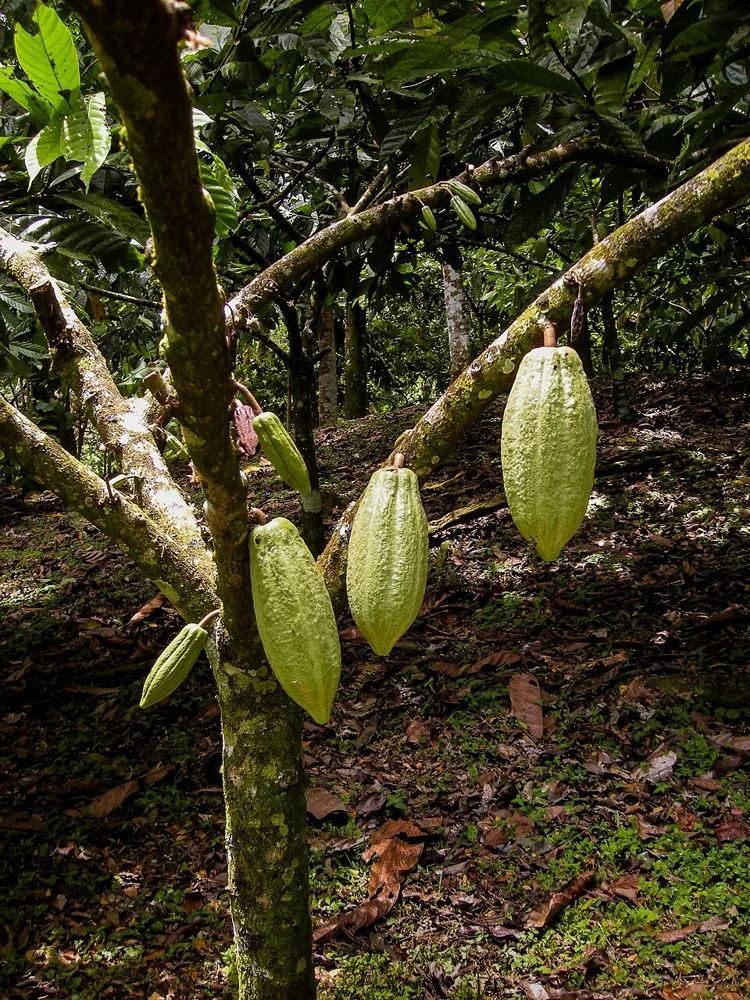
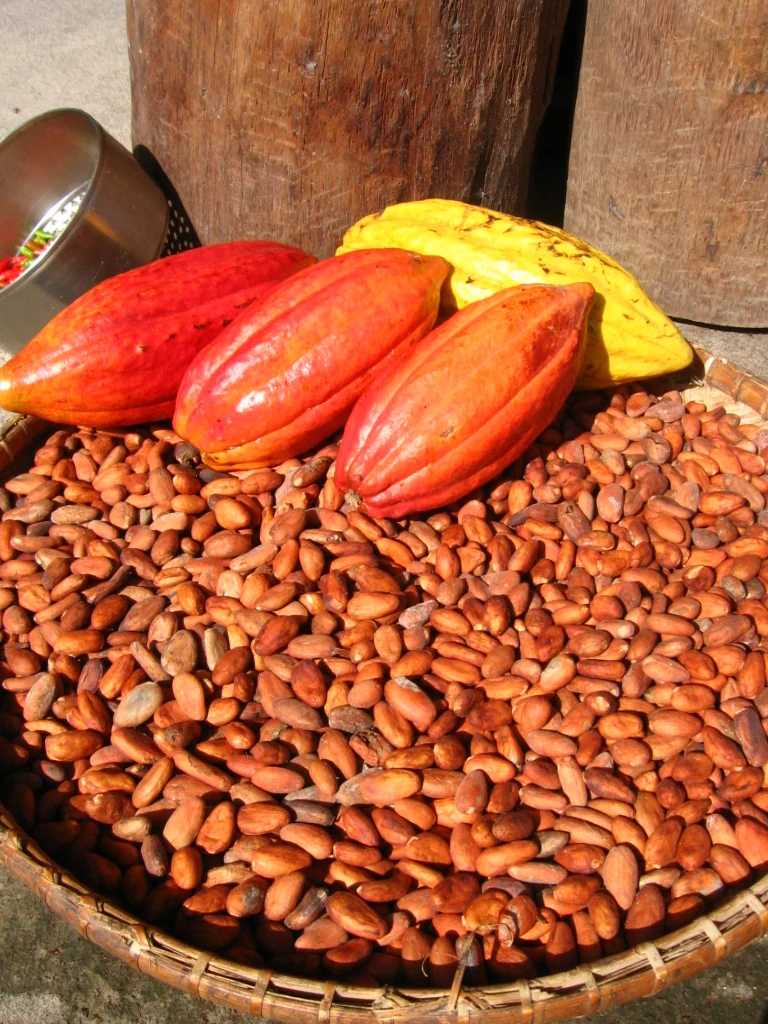
Cocoa pods borne on the tree
Harvested pods and beans
Plantation

Cocoa

Which cocoa pods should I show my agronomist?

Check in the field

Photograph the whole tree, then take a close-up of a marked pod. Record the tree and observation date.

Example field note

Tree C18. Photograph a marked pod beside a scale and note where it sits on the tree. Include one unaffected pod for comparison.

On your next visit

Photograph the marked pods again and report any visible change.

When to involve the centre

If the affected area expands or the same pattern appears in another block, share dated photographs, crop stage and recent field operations with the agronomist.

Related service · Agronomist visit

Link to this crop
How do we measure pod loss without counting a pod twice?

What to measure

Tag comparable trees and tally healthy, visibly damaged and harvested pods separately. Date the count and photograph changes on marked pods.

How to interpret the pattern

If new damage appears on additional trees, send a map and the dated sequence to an agronomist for identification.

Are bean yield comparisons consistent?

Field check

Keep wet bean weights separate from dried bean weights. Record lot, weighing stage and moisture reading when available before comparing deliveries.

Photographs and licences

Cocoa pods borne on the tree · FranHogan · by-sa/4.0 · resized photograph
Harvested pods and beans · Lolay · CC BY 2.0 · resized photograph

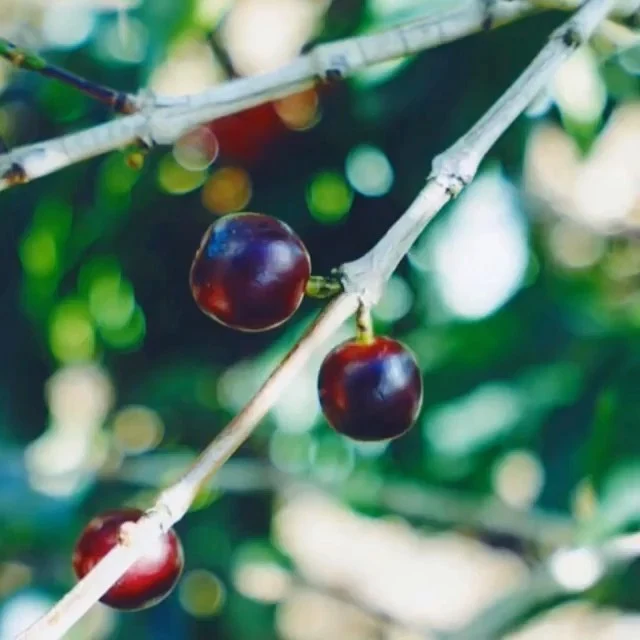
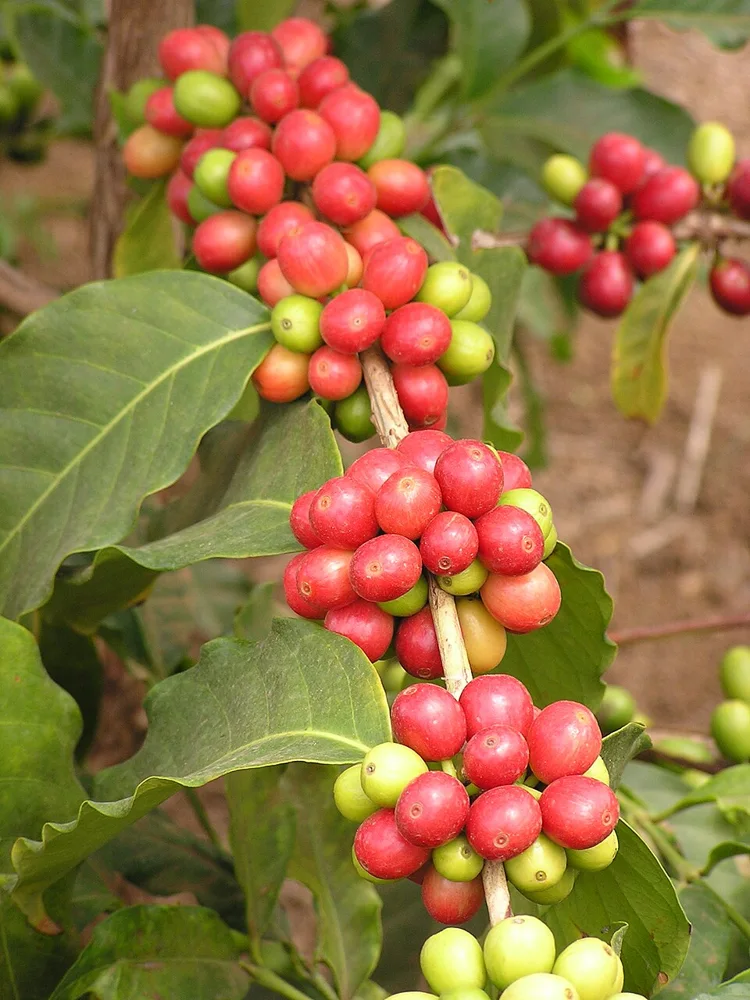
Close view of coloured coffee cherries
Coffee cherries at different stages on a branch
Plantation

Coffee

Which coffee rows need selective picking?

Check in the field

Record ripe and unripe cherry counts in comparable samples by row.

Example field note

In 50 cherries sampled from one row, 32 were ripe. Repeat the same sampling method before arranging a selective pick.

On your next visit

Compare sampled maturity with the accepted harvest quantities.

When to involve the centre

If field counts and collection tickets disagree, ask the centre to reconcile the block, date, area and load before planning the next collection.

Related service · Harvesting

Link to this crop
Is maturity uniform enough to pick an entire row?

What to measure

Use the same sampling method across rows and count green, turning and ripe cherries separately for the cultivar being assessed.

How to interpret the pattern

If rows differ in maturity, compare the cost and accepted yield of separate picking rounds using the buyer’s specification.

Which stage explains a change in delivered weight?

Field check

Record whether the lot contains cherry, parchment or green coffee and keep its processing records linked. Compare weights at the same stage.

Photographs and licences

Close view of coloured coffee cherries · Stwtc · CC BY-SA 4.0 · resized photograph

Coffee cherries at different stages on a branch · Scot Nelson · CC0 · resized photograph

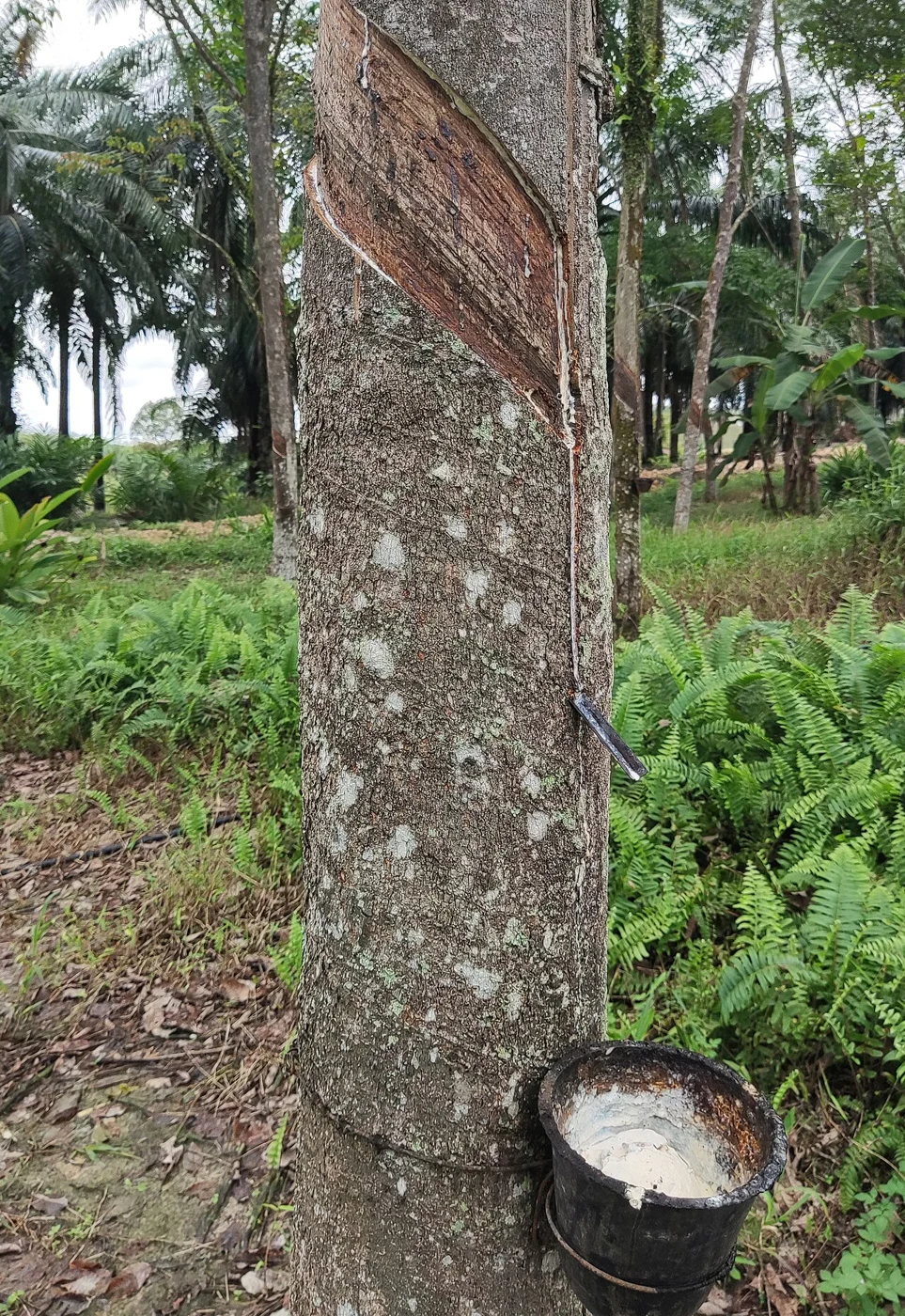
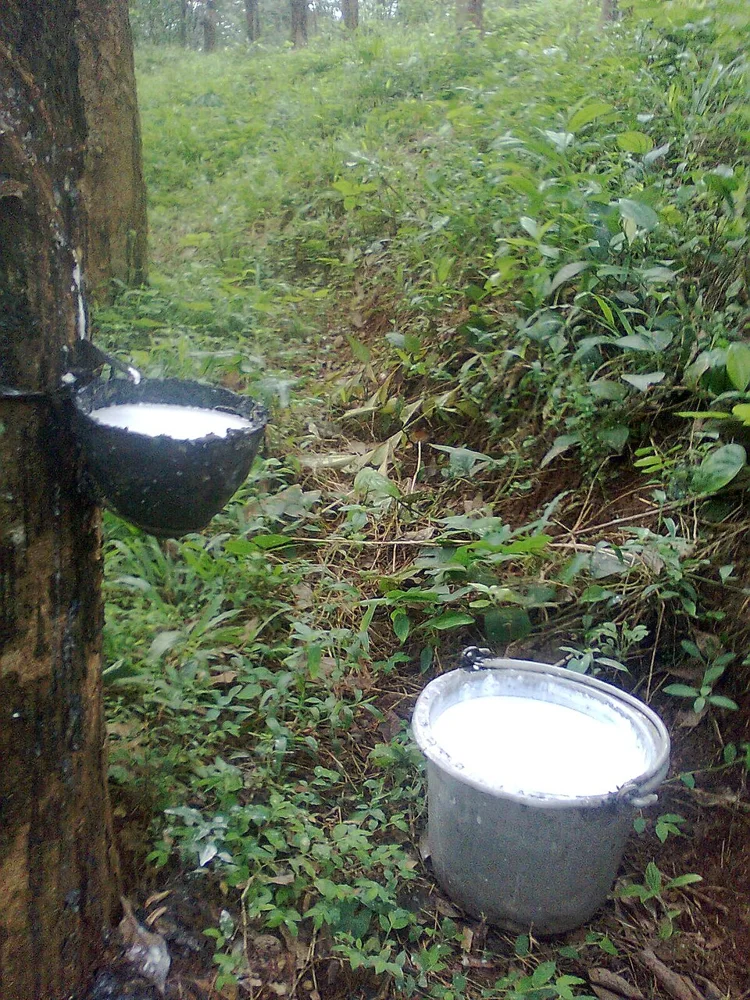
Tapping panel and collection cup on one trunk
Collection cups and latex at the tapping site
Plantation

Rubber

Why does recorded rubber collection vary by block?

Check in the field

Compare the number of tapping days, tapped trees and collection entries.

Example field note

Block R2. Record 180 kg from 200 tapped trees over three tapping days. Keep the product form consistent when comparing rounds.

On your next visit

Track collected weight per tapped tree over comparable rounds.

When to involve the centre

If the affected area expands or the same pattern appears in another block, share dated photographs, crop stage and recent field operations with the agronomist.

Related service · Agronomist visit

Link to this crop
Did output fall because fewer trees were tapped?

What to measure

Record tapping days, number of trees actually tapped and weight by product form. Keep missed rounds and rain interruptions visible.

How to interpret the pattern

Compare output per tapped tree per round. If comparing latex lots with different dry rubber content, obtain the relevant test results first.

Which tapping panels need a supervisor’s visit?

Field check

Mark tree IDs where flow or panel appearance changed and photograph panels from the same position. Give the supervisor the tapping history and observation dates.

Photographs and licences

Tapping panel and collection cup on one trunk · Wee Hong · CC BY-SA 4.0 · resized photograph

Collection cups and latex at the tapping site · Irvin calicut · PD · resized photograph

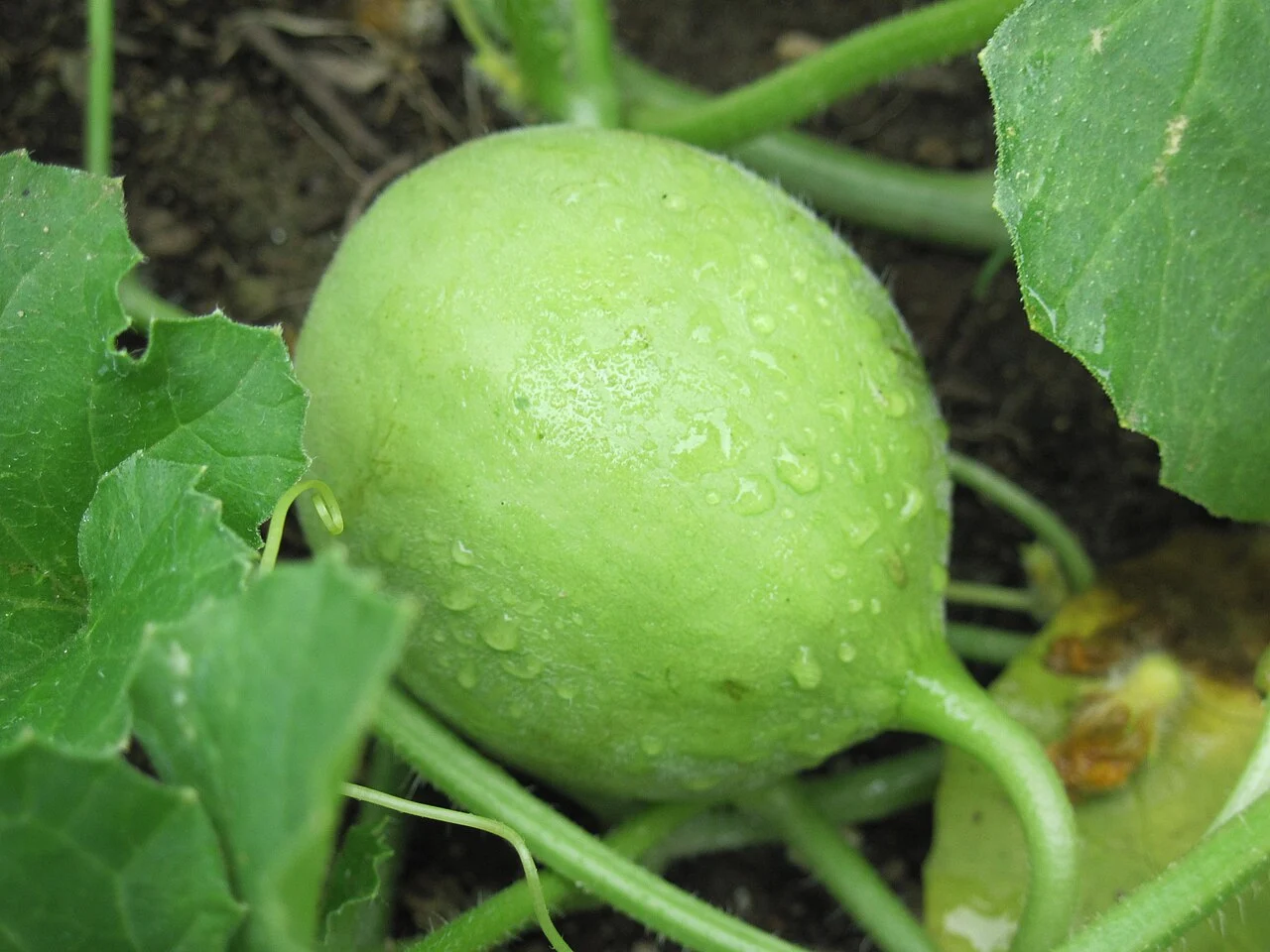
Young cantaloupe attached to the vine
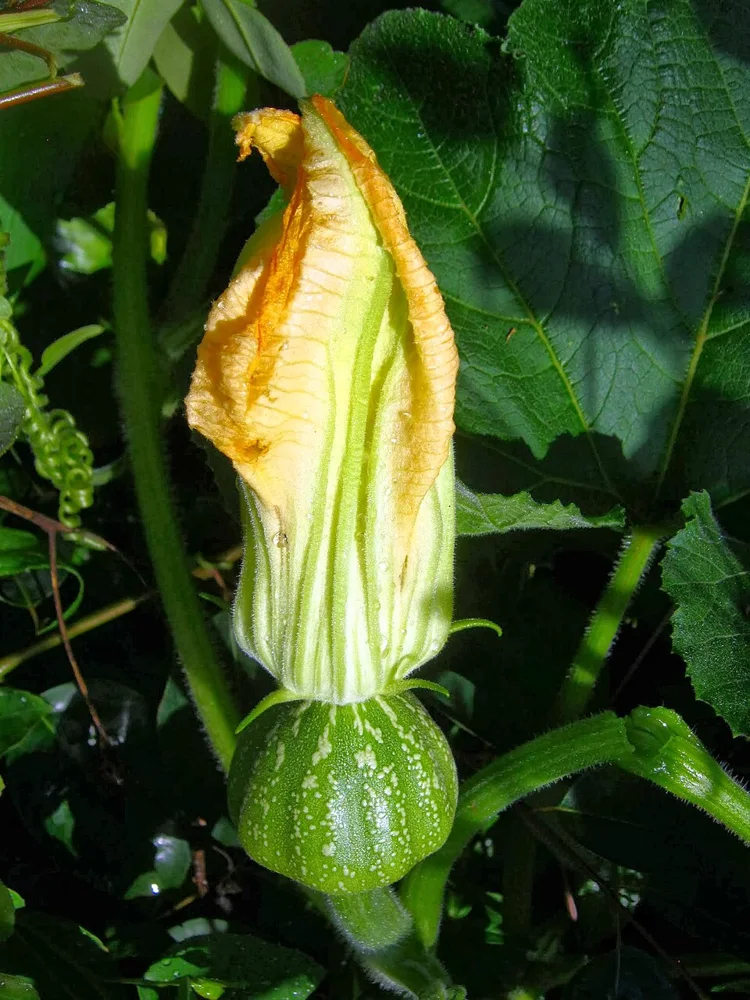
Melon flower and developing fruit
Fruit

Melon

Why are some melons smaller than others at harvest?

Check in the field

Compare tagged fruits of the same variety and similar set date.

Example field note

Five tagged fruit set in the same week. Record circumference and grade at harvest using the same measuring position.

On your next visit

Repeat measurements on the same fruits and record harvest grade.

When to involve the centre

If the difference persists across repeat measurements, send the marked locations, irrigation times and readings to the centre for an irrigation inspection.

Related service · Irrigation inspection

Link to this crop
Does a size difference follow fruit age or bed position?

What to measure

Group tagged fruit by cultivar and set date. Measure circumference consistently and record which bed and irrigation line serve each vine.

How to interpret the pattern

If size differences persist within the same group, compare outlet measurements and fruit load with the centre before changing the feeding programme.

How should a buyer’s sweetness specification be recorded?

Field check

Where a buyer uses soluble solids, record the instrument reading, sampling method, fruit position and lot using the agreed procedure. Keep size grade separate.

Photographs and licences

Young cantaloupe attached to the vine · Rob Duval · CC BY-SA 4.0 · resized photograph

Melon flower and developing fruit · Kondah · by-sa/4.0 · resized photograph
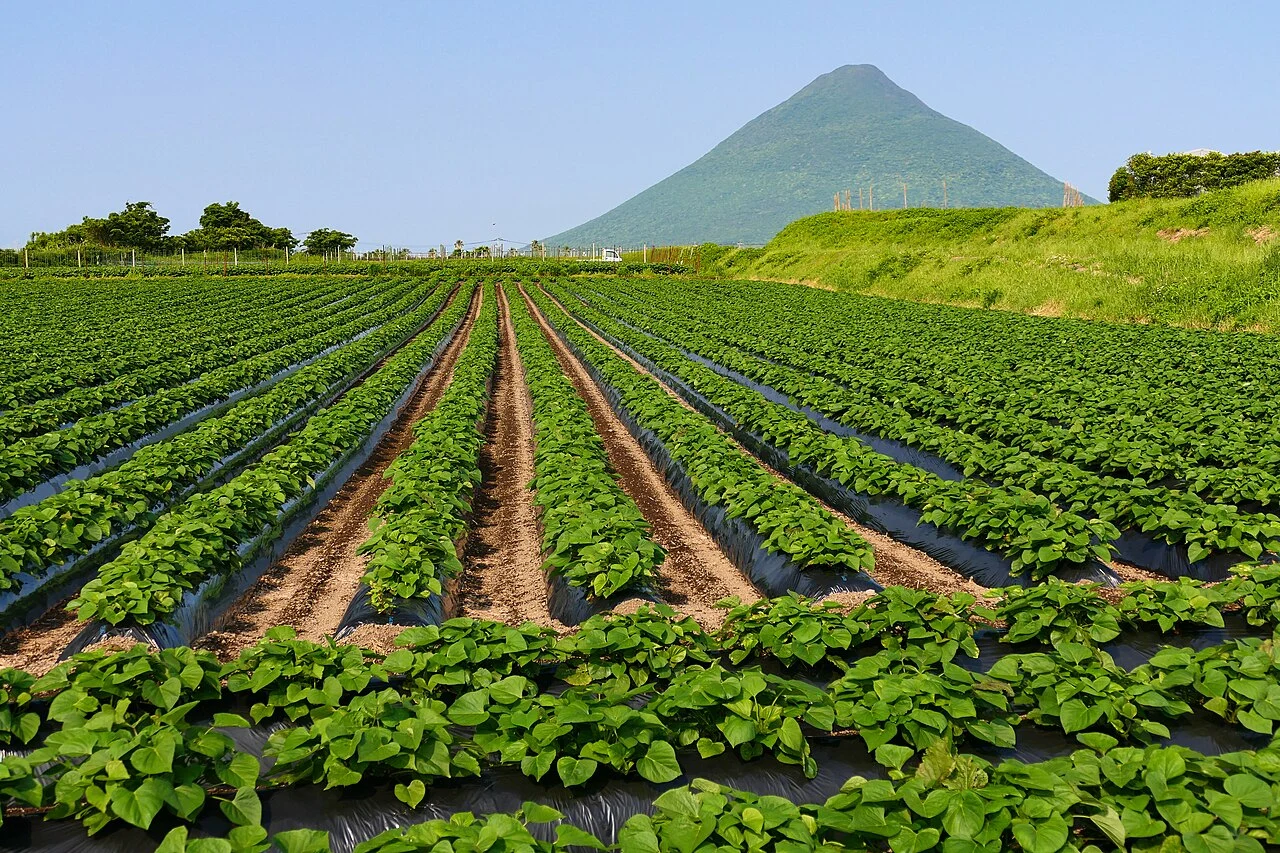
Sweet potato rows and canopy across a field
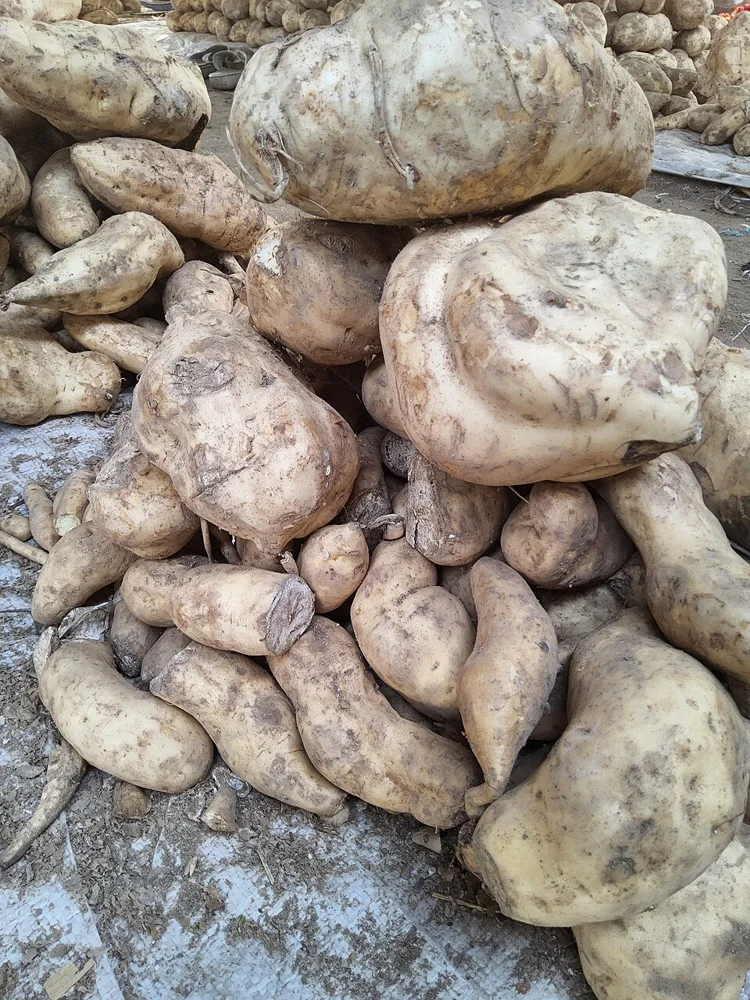
Harvested sweet potato storage roots
Field crops

Sweet potato

Which sweet potato beds should we harvest first?

Check in the field

Record planting dates and sample root sizes against buyer requirements.

Example field note

Bed S4. Sort roots from equal sample areas into the buyer’s size grades and weigh each grade separately.

On your next visit

Compare actual grades and weights by harvested bed.

When to involve the centre

If field counts and collection tickets disagree, ask the centre to reconcile the block, date, area and load before planning the next collection.

Related service · Harvesting

Link to this crop
Why is marketable yield low even when total weight is high?

What to measure

Lift samples from equal areas of comparable planting age. Sort roots by buyer size grade and visible damage before weighing each class.

How to interpret the pattern

If most weight falls outside one size band, review harvest timing and the buyer’s specification. If damage dominates, photograph examples and map their beds.

How should different varieties be compared?

Field check

Keep the variety, planting date, sampled area and surviving stand attached to each weight. Repeat the comparison using the same grading rules.

Photographs and licences

Sweet potato rows and canopy across a field · MaedaAkihiko · CC BY-SA 4.0 · resized photograph
Harvested sweet potato storage roots · Anniwinner · by-sa/4.0 · resized photograph